Understanding Containerized Wastewater Treatment Systems
In the realm of modern environmental management, containerized wastewater treatment systems have emerged as a pivotal solution. These systems are designed to address a variety of wastewater challenges across multiple sectors, ranging from domestic applications to intricate industrial processes. The innovative design and operational efficiency of these systems represent a significant advancement in wastewater treatment technology, making them a preferred choice for many organizations. When exploring options, Wastewater Treatment System Manufacturers offer detailed insights into the effectiveness and adaptability of containerized solutions.
What is a Wastewater Treatment System?
A wastewater treatment system is a set of processes used to convert wastewater into an effluent that can be returned to the water cycle with minimal environmental impact. These systems are crucial for maintaining public health and environmental standards, particularly in areas where sewage and industrial effluents can pose risks to local ecosystems and human health. Wastewater treatment involves various methods and technologies aimed at removing contaminants, including physical, chemical, and biological processes.
How Containerized Systems Work
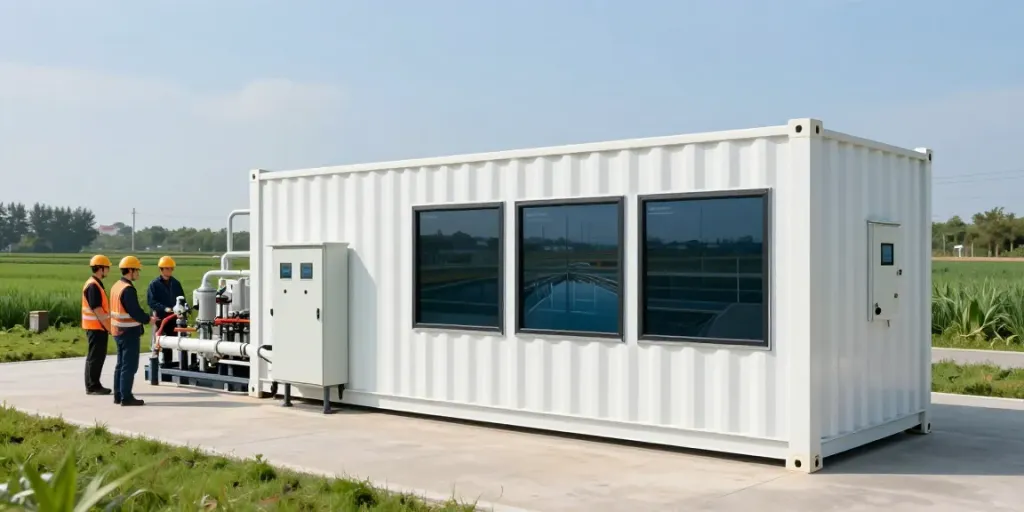
Containerized wastewater treatment systems are compact units built within standard shipping containers, designed for swift deployment and operational efficiency. These systems utilize a modular design, allowing for flexibility in applications. They integrate advanced treatment technologies such as membrane bioreactors (MBRs), activated sludge processes, and advanced oxidation processes, ensuring they can effectively treat a range of effluents. The pre-engineered units come equipped with all necessary components, including pumps, filters, and controls, facilitating quick setup and minimal site preparation.
Key Components of Containerized Solutions
The key components of containerized wastewater treatment systems often include:
- Preliminary Treatment Equipment: Screens and grit removal systems to eliminate larger debris.
- Biological Treatment Units: Processes involving bacteria to decompose organic waste and nutrients.
- Clarification Tanks: Settling tanks where solids are separated from the treated water.
- Disinfection Systems: UV or chemical disinfection to ensure water quality standards are met before discharge or reuse.
Advantages of Modular Wastewater Treatment Systems
The adoption of modular wastewater treatment systems comes with several advantages, making them an increasingly popular choice for various applications. Their unique characteristics cater to specific operational needs while also addressing broader environmental concerns.
Benefits of Transportable Units
One of the standout features of containerized systems is their transportability. Built within standard shipping containers, these units can be easily relocated as needed, whether for temporary or permanent installations. This is particularly beneficial for projects that need a rapid response, such as those in emergency situations or remote locations. The quick setup can be accomplished using just a flatbed truck and a crane, significantly reducing downtime.
Operational Flexibility and Compliance
Containerized wastewater treatment systems are designed with operational flexibility in mind, enabling them to adapt to varying inflow conditions and treatment demands. They can be scaled up or down based on the specific requirements of the site, making them suitable for diverse applications from small communities to large industrial facilities. Additionally, these systems are engineered to comply with stringent environmental regulations, helping organizations meet their legal obligations while minimizing their ecological footprint.
Cost-Effectiveness Compared to Traditional Systems
When compared to traditional wastewater treatment systems, containerized solutions often prove to be more cost-effective. The modular nature of these systems reduces initial capital investment and ongoing operational costs. Moreover, the quick installation and minimal site preparation translate into lower labor costs, while energy-efficient technologies integrated into these systems help to reduce long-term operational expenses.
Applications Across Industries
Containerized wastewater treatment systems find their applications across various industries, each benefiting from tailored solutions that meet specific needs.
Domestic and Municipal Applications
In urban settings, containerized treatment plants provide a feasible alternative for municipalities facing space constraints or needing to upgrade existing infrastructure. These systems can facilitate the treatment of domestic sewage, ensuring that local regulations regarding wastewater discharge are met. One prominent example is their utilization in festival sites or temporary events, where rapid deployment is crucial.
Industrial Wastewater Management Strategies
Industries such as food processing, pharmaceuticals, and manufacturing generate substantial amounts of wastewater that require tailored treatment solutions. Containerized systems can efficiently handle high-load effluents while minimizing environmental impact through advanced treatment technologies. They also allow industries to recycle water, enhancing sustainability efforts and reducing operational costs.
Case Studies of Successful Deployments
Numerous case studies illustrate the successful deployment of containerized wastewater treatment systems:
- Oil and Gas Industry: A modular system was deployed on an oil rig in the North Sea, treating wastewater produced during the drilling process while ensuring environmental compliance.
- Construction Sites: Temporary containerized treatment units were used to manage wastewater from construction activities, maintaining local water quality and adhering to environmental regulations.
- Disaster Relief Operations: After natural disasters, these systems have been used in refugee camps to provide essential sanitation and hygiene services to displaced populations.
Choosing the Right Manufacturer
Selecting an appropriate manufacturer of containerized wastewater treatment systems is critical for ensuring long-term operational success. Factors to consider include experience, product offerings, and post-installation support.
Factors to Consider in Selection
When deciding on a manufacturer, consider the following factors:
- Industry Experience: A manufacturer with a proven track record in wastewater treatment is more likely to provide reliable and effective solutions.
- Technical Support: Look for manufacturers that offer comprehensive support, including installation, maintenance, and troubleshooting.
- Customization Options: Ensure that the manufacturer can tailor systems to meet specific treatment requirements and space constraints.
Comparative Insights from Top Manufacturers
Researching and comparing offerings from leading wastewater treatment system manufacturers can shed light on available technologies and innovations. Manufacturers such as Xylem, Veolia, and SUEZ offer diverse portfolios that cater to both municipal and industrial needs, showcasing the advancements in treatment efficacy and compliance measures.
Future-Proofing Your Wastewater Solutions
As environmental regulations tighten and sustainability becomes a priority, future-proofing wastewater treatment solutions is essential. Consider technologies that enhance efficiency and reduce energy consumption, as well as scalable systems that can adapt to changing regulations and needs. Engaging with manufacturers who invest in research and development is vital for staying ahead of the curve.
Emerging Trends in Wastewater Treatment Systems
The landscape of wastewater treatment is continually evolving, influenced by technological advancements and societal needs.
Technological Innovations in 2026
In 2026, we anticipate significant technological innovations in wastewater treatment, particularly within containerized systems. Enhanced monitoring tools utilizing IoT technology are expected to provide real-time data analytics, optimizing treatment processes and improving maintenance. Automation will play a critical role, allowing for smoother operation with reduced human intervention and error.
Eco-Friendly Practices and Sustainability
Sustainability is becoming a key focus for wastewater treatment manufacturers. Eco-friendly technologies, such as energy recovery systems and methods for nutrient recovery from wastewater, are being integrated to minimize waste and reduce reliance on non-renewable resources. These practices not only enhance treatment efficacy but also contribute to a circular economy.
Future Challenges and Opportunities in the Industry
As demands for water resources grow, wastewater treatment systems will face challenges like increasing regulatory pressure and the need for cost-efficient solutions. However, these challenges present opportunities for innovation, with manufacturers urged to develop more sophisticated, efficient, and sustainable systems that address both the needs of their clients and the environment.
What are the top wastewater treatment system manufacturers?
The leading manufacturers in the wastewater treatment space are characterized by their innovative solutions, expansive service networks, and ability to adapt to evolving industry standards.
How do containerized systems improve wastewater treatment efficiency?
Containerized systems enhance efficiency through their compact design, integration of advanced technologies, and ability to scale operations according to fluctuating wastewater loads. Their modular nature allows for quick adjustments and modifications based on onsite conditions.
What industries benefit most from modular wastewater solutions?
Industries such as construction, oil and gas, and food processing stand to benefit significantly from modular wastewater solutions due to their adaptability, quick deployment, and ability to handle varying wastewater compositions.
Are containerized systems cost-effective for small municipalities?
Yes, containerized systems present a cost-effective solution for small municipalities by providing a scalable, efficient, and compliant method for wastewater treatment without the need for extensive infrastructure investments.
What are the environmental benefits of modern wastewater treatment technologies?
Modern technologies in wastewater treatment help reduce harmful discharges into ecosystems, promote water recycling and reuse, and support efforts to maintain compliance with environmental regulations, thereby preserving water quality and biodiversity.