Understanding CNC Machined Stainless Steel Parts
CNC machined stainless steel parts represent a critical component of modern manufacturing, offering an ideal combination of durability, precision, and versatility crucial for various applications. As a leader in CNC machining services since 2003, Honscn provides exceptional quality in cnc machined stainless steel parts. By leveraging advanced technologies and skilled craftsmanship, we ensure that each part meets the stringent standards required across different industries.
What are CNC Machined Stainless Steel Parts?
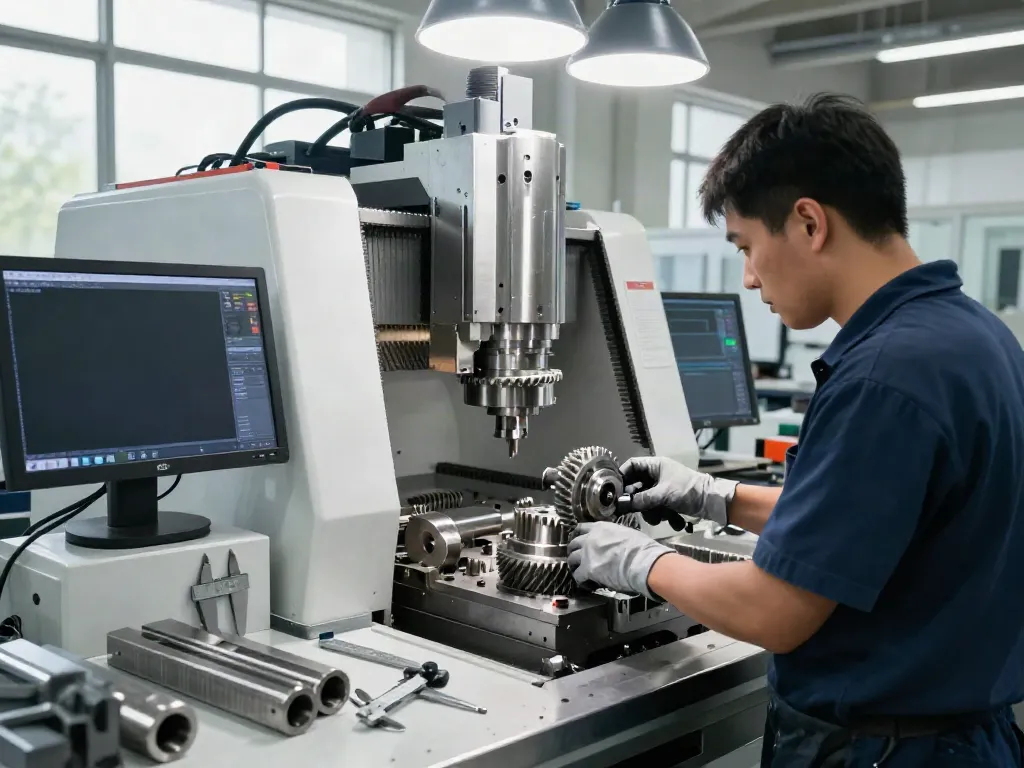
CNC (Computer Numerical Control) machining refers to the process of using computer-controlled tools to create parts from various materials, including stainless steel. CNC machined stainless steel parts are produced by removing material from a solid block of stainless steel through processes such as milling, turning, and grinding. This results in high-precision components that can achieve complex geometries and tight tolerances, essential for critical applications.
Key Benefits of Using Stainless Steel in CNC Machining
- Corrosion Resistance: Stainless steel is renowned for its excellent resistance to rust and corrosion, making it suitable for environments exposed to moisture or chemicals.
- High Strength: The high tensile strength of stainless steel allows for the production of parts that can withstand significant stress without deforming.
- Durability: Components made from stainless steel are known for their longevity, providing a reliable solution over extended periods.
- Aesthetic Appeal: Stainless steel can be finished to a high shine, making it ideal for applications where appearance matters.
Applications Across Various Industries
The applications of CNC machined stainless steel parts span numerous sectors, including:
- Medical Industry: Components such as surgical instruments and implantable devices require precision and sterilization properties, both of which are provided by stainless steel.
- Food Processing: Equipment used in food processing must adhere to high hygiene standards; stainless steel ensures that equipment maintains these standards.
- Chemical Engineering: Parts that can endure corrosive materials are essential in chemical processing, making stainless steel a preferred choice.
Advanced CNC Machining Techniques for Precision Parts
Keeping pace with innovation requires understanding the advanced techniques employed in CNC machining. Modern CNC machining relies heavily on sophisticated software and machinery to ensure high precision and efficiency.
Utilizing CAD/CAM Software in Manufacturing
Computer-Aided Design (CAD) and Computer-Aided Manufacturing (CAM) are integral to the CNC machining process. CAD software allows engineers to create detailed 3D models of parts, while CAM software translates these designs into machine code, guiding the CNC equipment through the manufacturing process. This synergy improves accuracy, reduces waste, and significantly shortens production time.
Importance of Tolerances and Specifications
Tolerances are critical in CNC machining, as they dictate how closely a manufactured part must conform to its intended dimensions. Achieving tight tolerances is essential in applications such as aerospace, where even minor deviations can lead to catastrophic failures. Effective communication of specifications between designers and manufacturers ensures high-quality results.
Innovative Techniques for Complex Geometries
Modern CNC machines are capable of complex geometries that traditional machining methods cannot achieve. Techniques such as multi-axis machining enable the fabrication of intricate designs and features, allowing for parts with internal contours, deep holes, and varied surface finishes. This flexibility is particularly beneficial in industries requiring custom components.
Quality Control in CNC Machining Services
Ensuring quality in CNC machining is paramount. Honscn adheres to stringent quality control standards throughout the manufacturing process, guaranteeing reliability and performance in every part produced.
Standards and Inspection Methods
Quality standards such as ISO 9001 outline the best practices for manufacturing processes. Regular inspections using advanced measuring equipment, such as CMM (Coordinate Measuring Machines), are employed to ensure parts meet specified tolerances and quality benchmarks.
Ensuring Consistent Quality in Production
To maintain consistent quality, it is vital to implement rigorous quality assurance protocols throughout the production cycle. Regular training for staff, alongside the use of automated inspection technologies, can help detect potential issues early, reducing rework and ensuring that every part meets the highest standards.
Case Studies: Successful Implementations in Medical Devices
Several successful projects highlight the effectiveness of CNC machined stainless steel parts in the medical field. For example, Honscn provided precision parts for a leading manufacturer of surgical instruments. Our customized approach ensured that the parts not only met the specific requirements for biocompatibility but were also sterilizable, which is essential for medical applications.
Choosing the Right Partner for CNC Machining Services
Selecting the right partner for CNC machining services can significantly affect the quality and success of your projects. It’s crucial to evaluate potential manufacturers carefully.
Factors to Consider When Selecting a Manufacturer
- Experience: Evaluate the manufacturer’s years of experience in the industry and their track record of delivering quality products.
- Technology: Ensure they utilize modern CNC machinery and software capable of producing the required parts.
- Quality Assurance: Inquire about their quality control processes and certifications.
- Customer Support: Look for manufacturers that offer comprehensive support, from design to delivery.
Evaluating CNC Machining Companies
Conducting thorough evaluations of CNC machining companies can save time and resources. Requesting samples of previous work and checking client references can provide insight into their capabilities and reliability.
Building Successful Partnerships for Custom Parts
A successful relationship with a CNC machining partner is built on clear communication, collaboration, and mutual understanding of project goals. Engaging in regular discussions about project updates and feedback can enhance the partnership and lead to better outcomes.
The Future of CNC Machined Stainless Steel Parts
As we move towards 2026, several emerging trends are set to shape the landscape of CNC machining, especially regarding stainless steel parts.
Emerging Trends in CNC Machining Technology for 2026
Technological advancements such as artificial intelligence, machine learning, and automation are anticipated to transform CNC machining. These innovations can optimize production processes, reduce lead times, and enhance precision, further solidifying the importance of CNC machined stainless steel parts in manufacturing.
Sustainability in Stainless Steel Manufacturing
With growing environmental concerns, the push for sustainable manufacturing practices is becoming increasingly relevant. Utilizing recycled stainless steel and implementing energy-efficient processes will not only minimize environmental impact but also appeal to eco-conscious consumers.
Predictions for Industry Growth and Opportunities
The CNC machining industry is expected to continue thriving, driven by advancements in technology and an increasing demand for customized parts across various sectors. Opportunities will arise in areas such as additive manufacturing and smart manufacturing, enabling greater customization and efficiency in producing stainless steel components.
What are the advantages of CNC machining over traditional methods?
CNC machining offers several advantages over traditional methods, including increased precision, reduced human error, enhanced productivity, and the ability to produce complex shapes that are often impossible with manual techniques.
How do you ensure precision in custom stainless steel parts?
Precision in custom stainless steel parts is ensured through rigorous design processes, advanced CNC machinery, and strict adherence to tolerances during manufacturing. Regular inspections throughout the production cycle also contribute to maintaining high-quality standards.
What industries benefit the most from CNC machined stainless steel parts?
Industries such as medical, food processing, aerospace, and chemical engineering benefit significantly from CNC machined stainless steel parts due to their durability, corrosion resistance, and the ability to meet strict regulatory standards.
What is the typical lead time for custom CNC machining orders?
The lead time for custom CNC machining orders can vary depending on the complexity and volume of the parts required. Generally, it ranges from a few days to several weeks, depending on the manufacturer's capabilities and current workload.
How does stainless steel grade affect machining processes?
The grade of stainless steel affects various aspects of the machining process, including cutting speed, tool selection, and the type of cooling required. Higher grades may require specialized tools and techniques to ensure efficient machining without compromising quality.