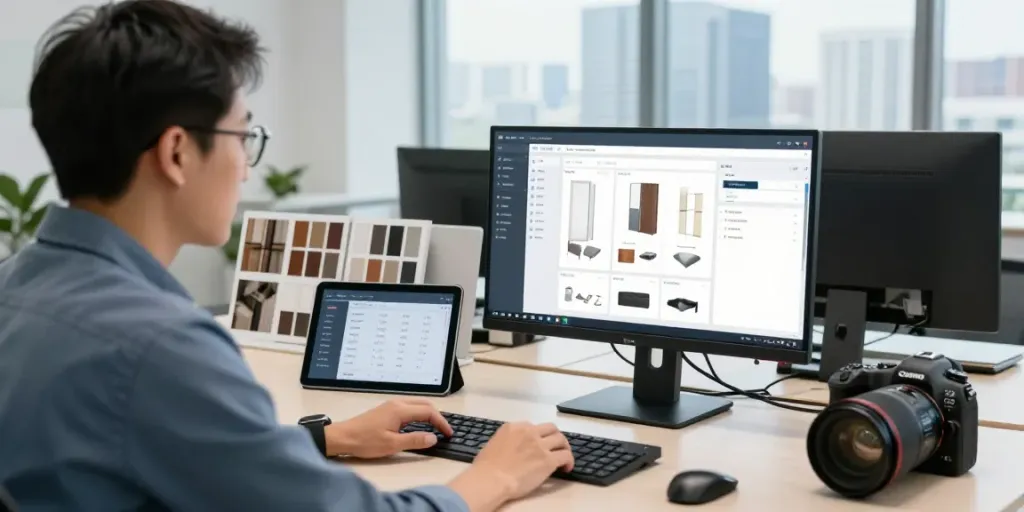
Understanding Dealer Configurator Software
In today's competitive market, effective communication and streamlined processes are essential for dealerships aiming to enhance customer interactions and optimize sales strategies. Dealer configurator software is a pivotal tool that allows dealerships to streamline the sales process, enabling them to configure, price, and quote products in a way that is easy to understand and visually engaging. This article explores the functionalities and benefits of dealer configurator software, illustrating how it fosters clearer conversations and strengthens partnerships between manufacturers and dealers.
What is dealer configurator software?
Dealer configurator software serves as a digital platform enabling dealers to select, configure, and customize products based on customer preferences. This software often includes features such as 3D visualization, real-time pricing, and product validation, allowing for tailored experiences that meet unique customer needs. With the evolution of technology, such software has become an indispensable element in the sales process, enhancing both efficiency and accuracy.
Key features and functionalities
- Visual Configuration: Offers a 3D view of products, helping customers see various options and configurations in real-time.
- Real-Time Pricing: Instantly updates pricing as customers select different features, providing transparency and clarity in costs.
- Customized Product Briefs: Generates detailed briefs that encapsulate all selected options, dimensions, and pricing, ensuring consistency across sales communication.
- Integration Capabilities: Connects seamlessly with Customer Relationship Management (CRM) and Enterprise Resource Planning (ERP) systems for easy workflow management.
- Branding Options: Allows manufacturers to maintain brand integrity by customizing appearance and offerings according to dealer specifications.
How it enhances dealer communications
Effective communication within dealer networks is crucial for successful sales outcomes. Dealer configurator software enhances communication by providing all parties involved—a manufacturer, dealer, and customer—with a shared understanding of the product and its configurations. This shared basis allows for clearer discussions about specifications, pricing, and expectations, reducing misunderstandings that could lead to lost sales opportunities.
The Importance of Clear Ownership in Sales Processes
When implementing dealer configurator software, establishing clear ownership among stakeholders is vital for a well-functioning sales process. Clarity about responsibilities can improve accountability and streamline operations within the dealership ecosystem.
Defining roles within the dealer network
Each member of the dealer network plays a significant role in the sales process. Clear definitions of who handles which aspects of a transaction—from initial customer engagement to final order confirmation—help streamline communication and enhance customer service. With dealer configurator software, roles can be delineated effectively, ensuring that all parties are aware of their responsibilities and contributing to a cohesive sales experience.
Maintaining brand integrity and ownership
For manufacturers, ensuring brand integrity while giving dealers the flexibility to operate is crucial. Dealer configurator software enables manufacturers to set parameters within which dealers can customize their offerings without diluting the brand. This balance of autonomy and oversight helps maintain a consistent brand image while supporting localized marketing strategies.
Streamlining communication for better sales
By utilizing dealer configurator software, dealerships can achieve a more efficient communication flow. This software consolidates various communication channels, allowing for integrated messaging and updates. For example, when a dealer configures a product, the software can automatically update all relevant parties, ensuring that everyone is on the same page throughout the sales process.
Creating a Shared Starting Point for Dealerships
A shared starting point in sales conversations can significantly enhance the path to closing deals. Dealer configurator software provides a foundation from which all stakeholders can operate, ensuring that everyone has access to the same information and tools.
Establishing a common product brief
Creating a standardized product brief is essential for effective communication. This brief, generated by the dealer configurator software, includes all critical product information, dimensions, finishes, and pricing details. Providing a clear, concise document helps both dealers and manufacturers align their objectives and anticipate customer questions, facilitating smoother interactions.
Utilizing visual tools for effective presentations
The use of visual tools within dealer configurator software, such as 3D modeling and interactive product displays, can greatly enhance presentations. These tools enable dealers to showcase products in a compelling manner, allowing customers to visualize their choices more effectively, which can lead to higher engagement and increased sales conversions.
Encouraging collaborative sales strategies
Collaboration is key in a dealer network environment. Dealer configurator software fosters an environment where dealers and manufacturers can work together more efficiently, sharing insights and strategies that benefit both parties. This collaboration can be further enhanced through joint training sessions on how to leverage the software effectively, ensuring that all users maximize the tool's potential.
Case Studies: Real-World Applications of Dealer Configurator Software
Looking at real-world applications of dealer configurator software can provide invaluable insights into how firms have successfully implemented these tools.
Success stories from leading dealerships
Many dealerships have reported success after implementing dealer configurator software. For instance, a leading outdoor furnishing company noted a significant increase in customer satisfaction and a 30% reduction in order processing errors after utilizing visual configuration tools. This improvement was attributed to clearer communication and enhanced product visualization.
Impact on sales conversions and customer engagement
Effective dealer configurator software has been shown to bolster sales conversions and customer engagement. A case study from an automotive dealer highlighted that integrating configurator software resulted in a 25% increase in conversion rates as customers were able to visualize their ideal vehicles and understand pricing structures without confusion.
Lessons learned and best practices
Successful implementation of dealer configurator software often comes down to understanding user needs and ensuring ongoing support. Training sessions for dealers and their staff can effectively bridge gaps in knowledge and foster a culture of continuous improvement. Gathering feedback post-implementation is also essential for adapting the software to better meet user needs.
Future Trends in Dealer Configurator Software
The landscape of dealer configurator software is constantly evolving, with several trends emerging that have the potential to reshape the industry. Understanding these trends can provide insights into how to stay ahead in a competitive marketplace.
Emerging technologies and innovations for 2026
As we move into 2026, expect to see more advancements in augmented reality (AR) and virtual reality (VR) technologies. These innovations will allow customers to experience products in immersive environments, further enhancing their engagement and decision-making processes. Combining these technologies with dealer configurator software could redefine how customers interact with products before making a purchase.
Predictions for enhanced user experience
Looking ahead, user experience will be at the forefront of software development in the dealer configurator space. Simplified interfaces, personalized experiences, and predictive analytics will allow dealers to tailor their offerings based on customer behavior and preferences, enhancing overall satisfaction and loyalty.
Integration with other sales and marketing tools
Integration capabilities will also play a critical role in the evolution of dealer configurator software. As dealer networks look to streamline processes, the ability to connect configurators with other sales and marketing tools—such as CRMs and email marketing platforms—will be essential. This can lead to a more holistic approach to sales management, enabling a seamless flow of information and enhanced customer interactions.