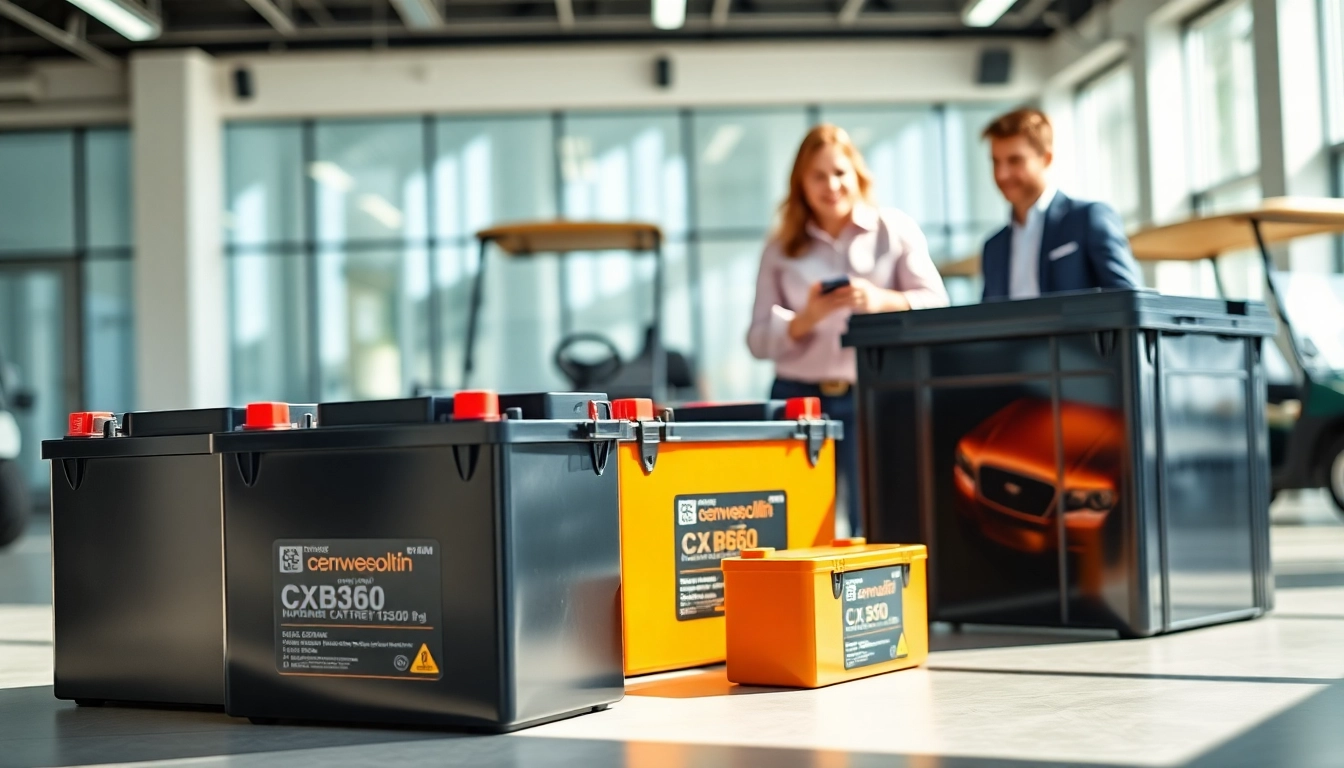
The Rise of Lithium Golf Cart Batteries
As golf carts increasingly become vehicles of choice for both leisure and transportation, the need for efficient, long-lasting power sources has never been more pressing. Lithium golf cart batteries have emerged at the forefront of this evolution, rapidly gaining popularity among golfers and users alike. With advancements in battery technology reshaping the market, understanding these new power sources is essential for anyone looking to enhance their golf experience.
Understanding Lithium Technology
Lithium golf cart batteries utilize lithium-ion technology, which is characterized by its lightweight composition and high energy density. Unlike traditional lead-acid batteries, which rely on lead and sulfuric acid, lithium batteries use lithium compounds, allowing for faster charging times and longer life spans. A significant advantage of lithium technology is its ability to sustain a higher voltage until the very end of its discharge cycle, making it a reliable choice for golf carts.
Advantages Over Traditional Batteries
- Longevity: Lithium batteries can last between 5,000 to 10,000 cycles compared to only 500-1,000 cycles for lead-acid options.
- Weight: Much lighter than lead-acid batteries, lithium batteries can reduce the overall weight of the golf cart, enhancing performance.
- Fast Charging: Lithium batteries offer charging times that can be 3-5 times faster than traditional lead-acid batteries.
- Low Maintenance: Unlike lead-acid batteries, which require regular maintenance, lithium batteries are largely maintenance-free.
- Environmentally Friendly: Lithium batteries are less harmful to the environment since they do not contain toxic metals.
Market Trends in Golf Cart Batteries
The golf cart battery market is experiencing substantial shifts as more users recognize the benefits of lithium technology. As more manufacturers enter the space, options for voltage, capacity, and overall performance have become increasingly sophisticated. Research indicates a trend toward eco-friendly alternatives, with consumers prioritizing endurance and sustainability in their purchasing decisions.
Choosing the Right Lithium Golf Cart Batteries
Selecting the appropriate Vatrer Power golf cart batteries involves several critical considerations to ensure performance and compatibility. The following sections provide clarity on critical factors to weigh when making a decision.
Voltage Options Explained
Golf carts typically operate on either 36V or 48V systems, crucial for optimal performance. Understanding your cart's voltage system is fundamental because choosing a battery with the wrong voltage can lead to poor performance or even damage. Always check the specifications of your golf cart before purchasing lithium batteries.
Capacity Considerations
Capacity, usually measured in amp-hours (Ah), indicates how much energy a battery can store. Higher capacity allows for longer usage between charges. When choosing lithium batteries, consider how often you use your cart and the distances you typically travel—this informs your capacity needs.
Compatibility with Golf Cart Models
Not all lithium batteries are compatible with every golf cart model. It’s essential to confirm that the dimensions, connections, and specifications align with your cart’s requirements. Some lithium batteries are designed as direct replacements for traditional batteries, while others may require modifications for installation.
Installation Guide for Lithium Golf Cart Batteries
Transitioning from traditional lead-acid batteries to 48V 105Ah Lithium Battery requires a few technical steps. Below is a guide to simplify the installation process.
Step-by-Step Installation Process
- Gather Your Materials: Ensure you have your lithium batteries, necessary tools, and safety equipment.
- Disconnect Old Batteries: Carefully remove any existing lead-acid batteries from the cart.
- Mount the Lithium Batteries: Install the lithium batteries in the same compartment as the old batteries, ensuring secure placement.
- Connect Wiring: Attach the positive and negative cables to the appropriate terminals.
- Check Connections: Double-check all wiring and ensure no loose connections exist.
- Test the System: Turn on your golf cart and test the battery performance.
Common Installation Challenges
While the installation process is straightforward, challenges may arise, such as incompatibility with existing wiring or space constraints. Ensuring your battery compartment allows for easy access to components can mitigate some installation headaches.
Tools and Equipment Needed
To successfully install lithium batteries, you will need the following tools:
- Socket and Wrench Set
- Screwdrivers
- Cable Cutters/Strippers
- Multimeter for testing connections
Maintenance Tips for Longevity
Taking care of lithium golf cart batteries enhances their life span and performance. Here are some essential maintenance practices.
Charging Best Practices
Charging lithium batteries correctly is crucial for ensuring longevity. Avoid draining the battery below 20% capacity before recharging, and ensure the charger used is compatible with lithium technology. Always charge the battery in a dry, temperature-regulated environment to prevent damage.
Winter Care Tips
Cold weather can affect battery performance. Ideally, keep lithium batteries charged above 50% during winter and store them indoors away from freezing temperatures. Charging them in a warm space can also prevent issues.
Signs of Battery Wear
Pay attention to signs of wear, such as reduced runtime, slower charging, or physical damage. Regularly inspecting your batteries can help catch issues early, allowing for preventative action rather than costly replacements.
Frequently Asked Questions
How long do lithium golf cart batteries last?
Lithium golf cart batteries typically last between 5 to 10 years, depending on usage and maintenance, outperforming traditional lead-acid batteries.
Can I use lithium batteries in all golf carts?
Most golf carts can accommodate lithium batteries, but compatibility varies by make and model. Always check specifications before purchasing.
Are lithium batteries better in cold weather?
Yes, lithium batteries perform better in cold weather compared to lead-acid, retaining power and efficiency even at lower temperatures.
What are the costs involved in upgrading?
Costs can vary widely based on the brand and capacity of lithium batteries. Expect to invest more upfront compared to traditional batteries, but savings on maintenance and longevity offset the initial cost.
How do I choose the right voltage?
Selecting the correct voltage involves checking your golf cart's specifications. Most carts operate on either 36V or 48V systems, so choose accordingly.