Culture and Heritage of Australia
Australia is a land marked by its rich culture and diverse heritage, shaped by its Indigenous peoples, colonial history, and modern multicultural influences. As one of the world's most multicultural societies, the blend of traditions has created a vibrant cultural tapestry that is reflecting in art, music, food, and social customs. Engaging with Australia's culture provides insights into its history and the stories of its people.
Diverse Indigenous Cultures
Indigenous cultures hold a significant place in Australia’s identity. With over 65,000 years of continuous history, Indigenous Australians are among the world’s oldest living cultures. The rich spiritual connection to the land manifests through Dreamtime stories, art, and ceremonies, which vary widely across different groups.
The Aboriginal and Torres Strait Islander peoples possess a variety of languages, each reflecting unique cultural viewpoints. Organizations are increasingly focused on preserving these languages and traditions, cementing a deeper understanding of Australia’s authentic voice. The presence of Indigenous art, whether it’s dot painting or rock art, allows for cultural storytelling that resonates across generations.
Modern Australian Society
Modern Australia is a mosaic of cultures, influenced by waves of migrants from Europe, Asia, and Africa. This diverse demographic landscape contributes to an evolving national identity characterized by inclusivity and acceptance. Australian cities such as Sydney and Melbourne showcase vibrant neighborhoods where different cultural celebrations occur, from Chinese New Year to Diwali.
In Australia, freedom of expression is highly valued, leading to a lively arts scene where music, theater, and film flourish. Events like the Sydney Festival and Melbourne International Comedy Festival exemplify this spirited creativity, drawing both local and international audiences.
Festivals and Traditions in Australia
Australia's eclectic mix of festivals embodies the spirit of its multicultural society. Events such as Australia Day celebrate national pride, while others like NAIDOC Week highlight the contributions of Indigenous Australians. Furthermore, cultural events like the Melbourne Cup and Vivid Sydney attract thousands, blending sports, arts, and tradition.
Food plays a central role in Australia’s cultural festivities, with culinary influences from Indigenous ingredients to international cuisines. The famous "barbecue" is a quintessential Australian experience, reflecting community and shared enjoyment among diverse groups.
Natural Wonders of Australia
Australia is a land of contrasts, showcasing a vast range of stunning landscapes and unique ecosystems. From arid deserts to lush rainforests, the country's natural environment is as diverse as its culture. Recognizing and preserving this natural beauty is critical for ecological sustainability and tourism.
Iconic Landforms and Landscapes
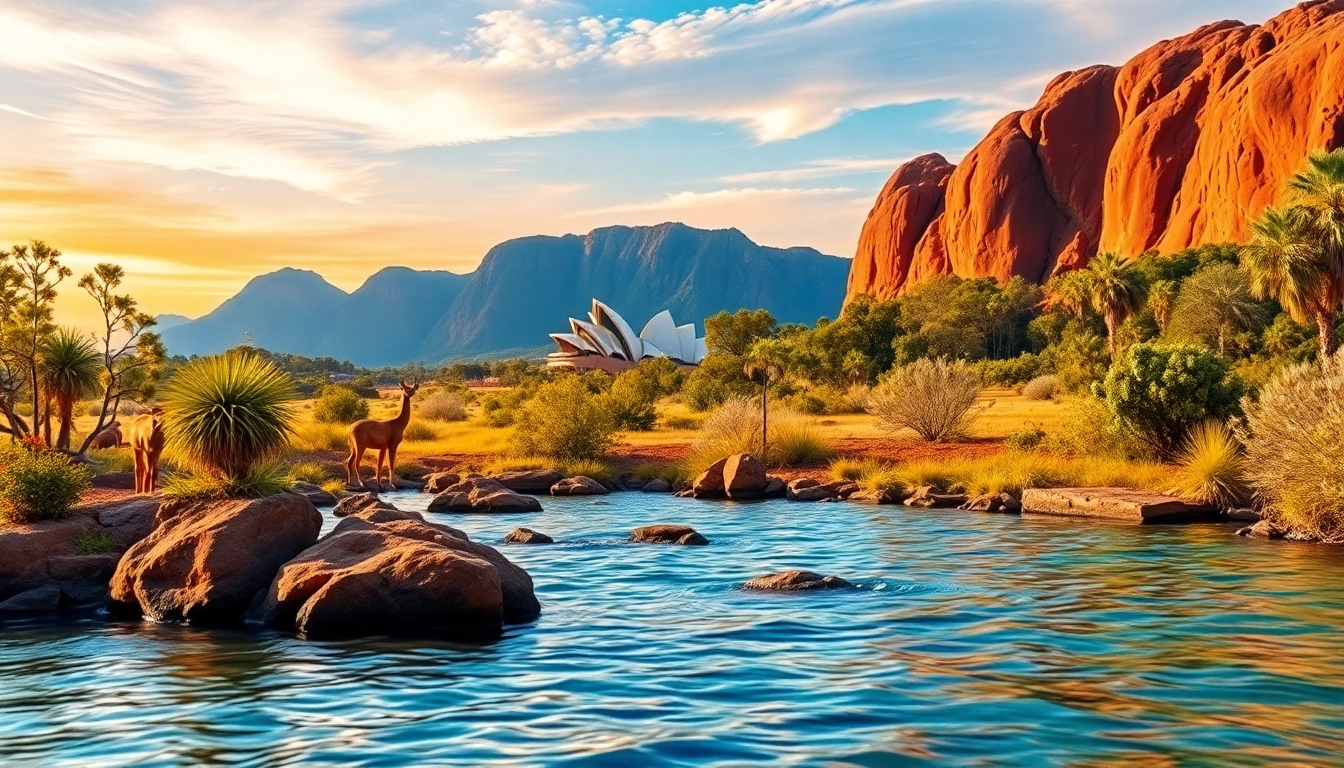
Among the most famous landmarks in Australia are Uluru, the Great Barrier Reef, and the Twelve Apostles. Uluru, an iconic sandstone monolith in the heart of the Northern Territory, is a sacred site for Indigenous Australians, symbolizing their deep spiritual connection to the land.
The Great Barrier Reef, one of the Seven Natural Wonders of the World, is a breathtaking site teeming with marine life, offering snorkeling and scuba diving adventures. Meanwhile, the Twelve Apostles, limestone stacks along the Victoria coastline, are a marvel that attracts numerous visitors with its spectacular vistas.
Unique Flora and Fauna of Australia
Home to an incredible array of flora and fauna, Australia boasts wildlife that can be found nowhere else on earth. The country is home to iconic species such as kangaroos, koalas, and wombats, alongside unique plant life like eucalyptus trees and banksias. Conservation efforts are crucial for protecting these species, many of which face threats from habitat loss and climate change.
Australia’s distinct ecosystems, including rainforests, deserts, and coral reefs, underline the importance of biodiversity. Initiatives are constantly evolving to educate the public about sustainable practices that can help preserve the environment for future generations.
National Parks and Conservation Efforts
Australia's commitment to conservation is evident in its numerous national parks that protect its natural beauty. Parks like Kakadu and Daintree showcase the country's rich biodiversity and landscapes while offering visitors the chance to explore teeming ecosystems.
Conservation programs aim to restore habitats and protect endangered species. The Australian government, alongside non-profit organizations, invests in various initiatives that emphasize the importance of ecological sustainability and biodiversity conservation. Engaging with these programs not only aids conservation but also promotes awareness of Australia’s natural heritage.
Economic Landscape in Australia
Australia has a robust and diverse economy characterized by a wealth of resources, technology, and service industries. Strong governance and a skilled workforce underpin economic growth, making Australia one of the wealthiest nations globally.
Overview of the Australian Economy
The Australian economy is marked by its stable framework and adaptability. It operates on a mixed economic model with significant contributions from agriculture, mining, manufacturing, and services. Its wealth of natural resources, such as minerals and agricultural products, positions Australia as a major exporter alongside a strong domestic market.
Over the past few decades, Australia has focused on transitioning towards a knowledge-based economy, emphasizing innovation and technology, which plays a pivotal role in driving future growth. The current economic landscape also includes a string of challenges, such as global economic fluctuations and environmental concerns, necessitating strategic planning for sustainable practices.
Key Industries Driving Growth
The Australian economy thrives on several key industries. Mining remains a cornerstone, with coal, iron ore, and gold consistently contributing to exports. The agriculture sector is vital, producing world-renowned products like wine, beef, and fruits. Additionally, tourism has emerged as a fundamental pillar due to Australia's attractively diverse offerings.
Healthcare and education also stand out as growth industries, with Australia attracting international students, supported by a world-class education system. Furthermore, renewable energy sectors are gaining momentum, pushing towards sustainable growth solutions to meet future demands.
Employment Trends and Opportunities
Employment trends show a shift towards technology-related fields, with growing opportunities in IT, health services, and environmental management. The rise of remote work has also transformed traditional workplace structures, offering greater flexibility and encouraging diverse employment practices.
While challenges exist, including skills shortages in specific sectors, proactive measures are being implemented, such as vocational training and education initiatives aimed at equipping the workforce with necessary skills. The long-term outlook remains positive as Australia navigates through economic transformations, focusing on innovation and sustainability.
Travel and Tourism in Australia
Traveling through Australia reveals an array of experiences tied intricately to its culture, environment, and history. With striking landscapes and vibrant cities, tourism serves as a vital contributor to the economy, drawing millions of visitors annually.
Top Destinations to Visit in Australia
Australia offers a plethora of destinations, each showcasing its unique charm. Sydney, home to the iconic Opera House and beautiful beaches, attracts urban explorers. Melbourne shines with its cultural offerings, including art galleries and live music events. The coastal city of Brisbane and the tropical magic of Cairns provide gateways to exciting adventures across both city and nature.
Beyond urban environments, destinations like Tasmania's wilderness, the Outback's rugged terrains, and the picturesque Great Ocean Road entice travelers with natural beauty, adventure, and wildlife encounters. The diversity in destinations encourages travelers to explore beyond the well-trodden paths, discovering hidden gems along the way.
Travel Tips for Exploring Australia
When planning a trip to Australia, consider timing your visit according to seasonal variations across the regions. For instance, northern states are ideal during the winter months while southern states offer pleasant climates in summer. It's crucial to factor in local weather patterns when scheduling your itinerary.
Utilizing local transport systems enhances accessibility and connectivity to various attractions. Understanding regional customs, being respectful of Indigenous lands, and preparing for outdoor activities can directly influence the quality of experiences. Always stay informed about safety guidelines, particularly in national parks or coastal areas.
Adventure Activities in Australia
For adventure seekers, Australia provides limitless opportunities from surfing the renowned waves at Bondi Beach to hiking in the breathtaking Blue Mountains. Activities such as scuba diving in the Great Barrier Reef or exploring the outback through countless 4WD experiences offer exhilarating moments deeply rooted in Australia’s natural environment.
Wildlife encounters, including swimming with marine life or spotting kangaroos and koalas, enrich any adventure. Local adventure tour operators often provide tailored experiences, allowing visitors to craft their journeys according to personal interests and thrill-seeking preferences.
Insights Into Life in Australia
Life in Australia is characterized by a strong sense of community, access to quality services, and a high standard of living. Balancing work and leisure is paramount to Australian lifestyle, with various facilities enhancing wellbeing and engagement within communities.
Cost of Living in Australia
The cost of living varies significantly across the country. Major cities like Sydney and Melbourne tend to have high living costs, particularly concerning housing, who may require combined incomes above average to maintain comfortable living standards. In contrast, regional areas may offer more affordable options, presenting an attractive appeal to those seeking a quieter lifestyle.
Budgeting for utilities, groceries, transportation, and health care presents both challenges and opportunities. Understanding the local economy and budgeting accordingly is critical for families and individuals alike.
Education and Healthcare Systems
Australia is renowned for its high-quality education system, with a wide array of public and private institutions available. From early childhood education to university-level studies, the system is designed to support a diverse range of learners. Students from abroad find Australia an attractive destination for education, contributing positively to the economy.
The healthcare system in Australia operates on a combination of public and private sectors, delivering universal coverage for residents through Medicare. Access to quality healthcare services ensures that Australians can maintain their health and wellbeing efficiently.
Quality of Life and Community Engagement
Australians enjoy a high quality of life, influenced by factors such as economic stability, access to healthcare, and education. Community engagement is essential, with numerous events and volunteer opportunities enhancing social cohesion.
People often spend their leisure time outdoors, promoting an active and healthy lifestyle. Friendships are built through community activities, and Australians value the emphasis on maintaining work-life balance.
FAQ 1: What languages are spoken in Australia?
The primary language is English, but numerous Indigenous and immigrant languages are also spoken, enriching Australia's cultural landscape.
FAQ 2: What are the best times to visit Australia?
The best times to visit are during spring (September to November) and autumn (March to May) when the weather is mild and enjoyable.
FAQ 3: Is Australia safe for tourists?
Yes, Australia is considered safe for tourists, known for its low crime rates and a welcoming, friendly environment for travelers.
FAQ 4: What currency is used in Australia?
The Australian Dollar (AUD) is the official currency of Australia, widely accepted for all financial transactions.
FAQ 5: What is the education system like in Australia?
Australia features a high-quality education system with various public and private institutions, offering multiple pathways and flexible learning opportunities.