Understanding the Manlift: Definition and Basics
What is a Manlift?
A manlift is a specific type of aerial work platform utilized for lifting personnel and their tools to elevated heights safely. It is essential in a variety of industries, including construction and maintenance, where tasks performed at heights are common. With a range of designs and configurations, manlifts cater to both indoor and outdoor applications, providing a stable and secure platform for workers to operate efficiently.
Types of Manlift and Their Uses
Manlifts come in various types, each designed for specific applications and environments. The main categories include:
- Articulating Boom Lifts: These lifts have jointed arms that allow for greater maneuverability, making it easier to navigate around obstacles. They are ideal for complex construction sites and indoor tasks.
- Telescopic Boom Lifts: Featuring a straight arm, telescopic lifts provide a greater reach and higher elevation, suitable for accessing hard-to-reach areas.
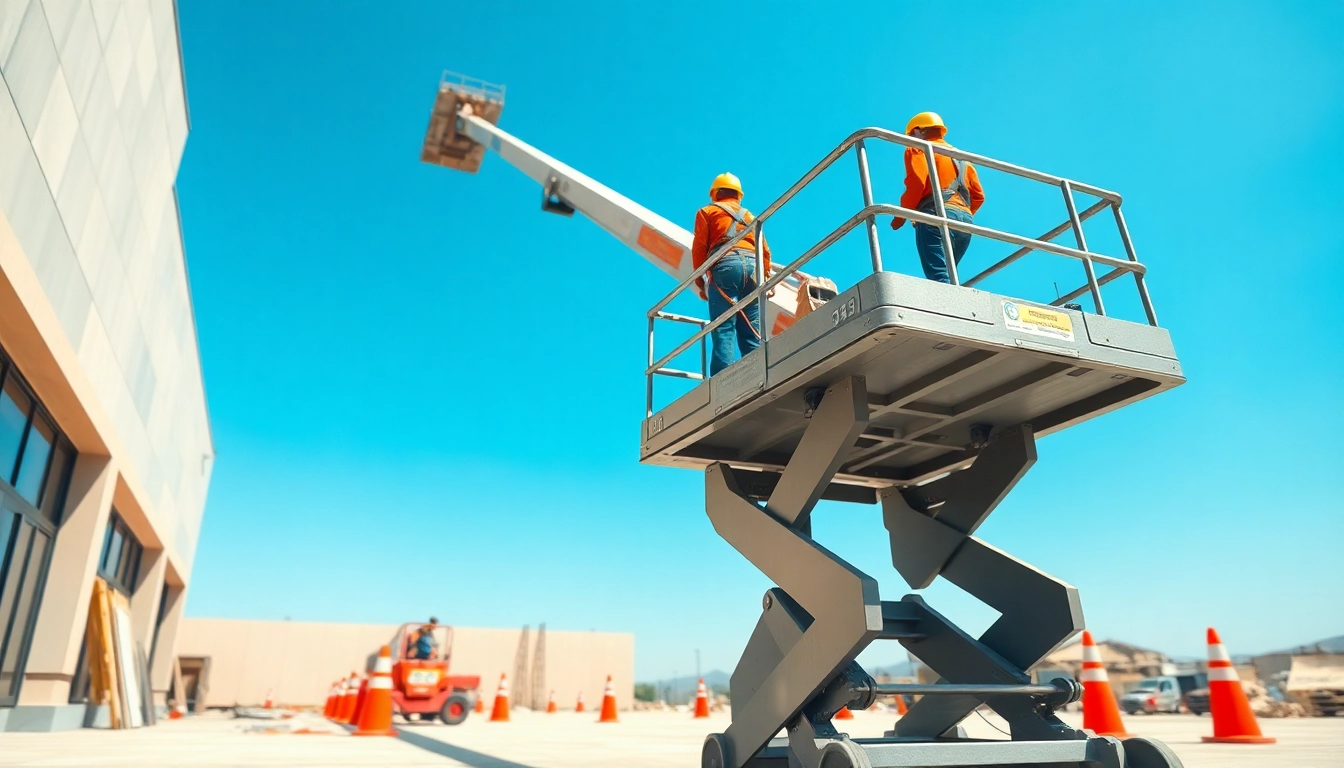
- Scissor Lifts: These lifts offer a stable platform with a crisscrossing support system, making them perfect for tasks that require vertical movement in fixed locations, such as painting and maintenance work.
- Vertical Manlifts: Also known as personnel lifts, these compact devices are designed for quick, vertical movement and are often used in warehouses and factories.
Key Features of Manlift Equipment
When selecting a manlift, it’s crucial to consider its key features, which ensure productivity and safety:
- Weight Capacity: Most manlifts come with weight limits that vary by model. It's essential to choose a lift that can safely handle the load it will carry.
- Platform Size: Depending on the number of workers and tools, a lift with a larger platform may be necessary.
- Lift Height: Consider the maximum height required for your specific tasks. Many manlifts offer heights ranging from 20 to over 180 feet.
- Maneuverability: For projects requiring traversal through tight spaces, a lift that can navigate narrow areas efficiently will be very beneficial.
- Stability and Safety Features: Look for systems like outriggers, safety rails, and anti-tilt mechanisms that enhance safety.
Choosing the Right Manlift for Your Project
Assessing Project Requirements and Environment
Before selecting a manlift, assess the project requirements and the working environment. Factors to consider include:
- Type of Work: Understand the nature of the tasks being performed – whether they require high reach, horizontal movement, or stability.
- Surface Conditions: Evaluate the ground surface where the manlift will operate. Uneven or soft ground may require a lift designed for such terrains.
- Indoor vs. Outdoor: Some lifts are more appropriate for indoor use (like scissor lifts), while others are better for outdoor applications (like articulating boom lifts).
Capacity, Reach, and Specifications
The specifications of the manlift must be compatible with the requirements of your project. Focus on the following:
- Capacity: This includes the weight limit for both workers and equipment. Ensure it matches the load you anticipate.
- Reach: Assess how high and far you need to go. The required reach will often depend on the type of worksite and tasks involved.
- Fabrication Standards: Verify that the manlift meets local safety regulations and industry standards for construction and maintenance work.
Cost Considerations for Renting or Buying Manlift
Deciding to rent or buy a manlift can profoundly affect project budgets. Take into account the following cost factors:
- Rental Period: Determine how long you will need the manlift. Rentals can make sense for short-term projects, while purchasing might be better for frequent use.
- Maintenance Costs: If you purchase a manlift, factor in ongoing maintenance and repair costs. Renting often includes maintenance in the contract.
- Market Rates: Research local market rates for renting and purchasing to find the best deal suitable for your budget.
Safety Protocols for Using Manlift
Essential Safety Equipment for Operators
Safety is paramount when operating a manlift. Essential safety equipment for workers includes:
- Personal Fall Arrest Systems: Harnesses and lanyards should always be worn when working at heights.
- Hard Hats: Protect against falling objects and other hazards on construction sites.
- Protective Footwear: Steel-toed boots can safeguard against falling equipment and improve traction.
OSHA Regulations Related to Manlift Use
Operators must be trained and familiar with OSHA regulations that apply to manlift use, including:
- Safe Operation Procedures: Strict adherence to operational guidelines as per OSHA standards helps prevent accidents.
- Inspection Requirements: Regular inspections and maintenance checks ensure that the equipment is in safe working condition.
Training Requirements for Safe Operations
Proper training is crucial for all operators. Training should include:
- Operational Training: Familiarization with the specific type of manlift they’ll be using.
- Emergency Response Practices: Understanding how to handle emergencies should they arise during operation.
Common Issues and Troubleshooting Manlift
Identifying Mechanical Problems
Maintaining smooth operation is vital, and operators should be aware of common mechanical issues:
- No Power: Lack of power requires checking batteries or electrical systems.
- Unresponsive Controls: This may indicate electrical faults needing inspection.
- Stability Issues: If a lift is tilting, tighten outriggers and ensure the base is properly positioned.
Preventive Maintenance Practices
Regular maintenance can prevent many mechanical problems. Key practices include:
- Daily Checks: Inspect controls, wheels, and hydraulic systems before use.
- Scheduled Maintenance: Follow regular maintenance schedules as per manufacturer recommendations.
Emergency Procedures for Manlift Operators
Effective emergency procedures should be established, including:
- Emergency Descend: Trained operators should know how to safely lower the lift in case of power failure.
- Emergency Contacts: Ensure all workers know whom to contact in case of an emergency.
Future Trends in Manlift Technology
Innovations in Manlift Design and Functionality
As technology evolves, manlifts are becoming increasingly sophisticated. Notable trends include:
- Smart Technology: Newer models come equipped with advanced sensors and controls to enhance safety and efficiency.
- Battery Technology: Innovations lead to longer-lasting batteries with quicker charging times, making electric lifts more viable for prolonged use.
Impact of Automation in Manlift Operations
Automation is gradually being integrated into manlift operations, allowing for:
- Remote Operation: Operators can control lifts from a distance, improving safety and efficiency, especially in hazardous environments.
- Data Analytics: Monitoring performance and usage data in real-time can help in maintenance planning and operational efficiency.
Environmental Considerations and Sustainability
As the focus on sustainability grows, manlift manufacturers are creating more environmentally friendly models:
- Electric Models: The demand for electric-powered lifts increases as they offer reduced emissions compared to traditional fuel-powered lifts.
- Recyclable Materials: New designs incorporate materials that are easier to recycle at the end of life cycles, contributing to sustainability efforts.
Frequently Asked Questions
What is another name for a manlift?
A manlift is also referred to as an aerial lift, which allows workers to perform tasks safely at elevated heights.
How does a manlift work?
A manlift operates using mechanical or hydraulic systems to raise a platform, allowing workers to reach high areas safely.
What are the common uses for a manlift?
Common applications include construction, maintenance, repairs, and installation in hard-to-reach areas, both indoors and outdoors.
Do manlifts require inspections?
Yes, manlifts must undergo regular inspections to ensure they are safe and compliant with operational standards.
Can anyone operate a manlift?
No, only trained and authorized personnel should operate a manlift to ensure safety and compliance with regulations.