Understanding the Scissor Lift
What Is a Scissor Lift?
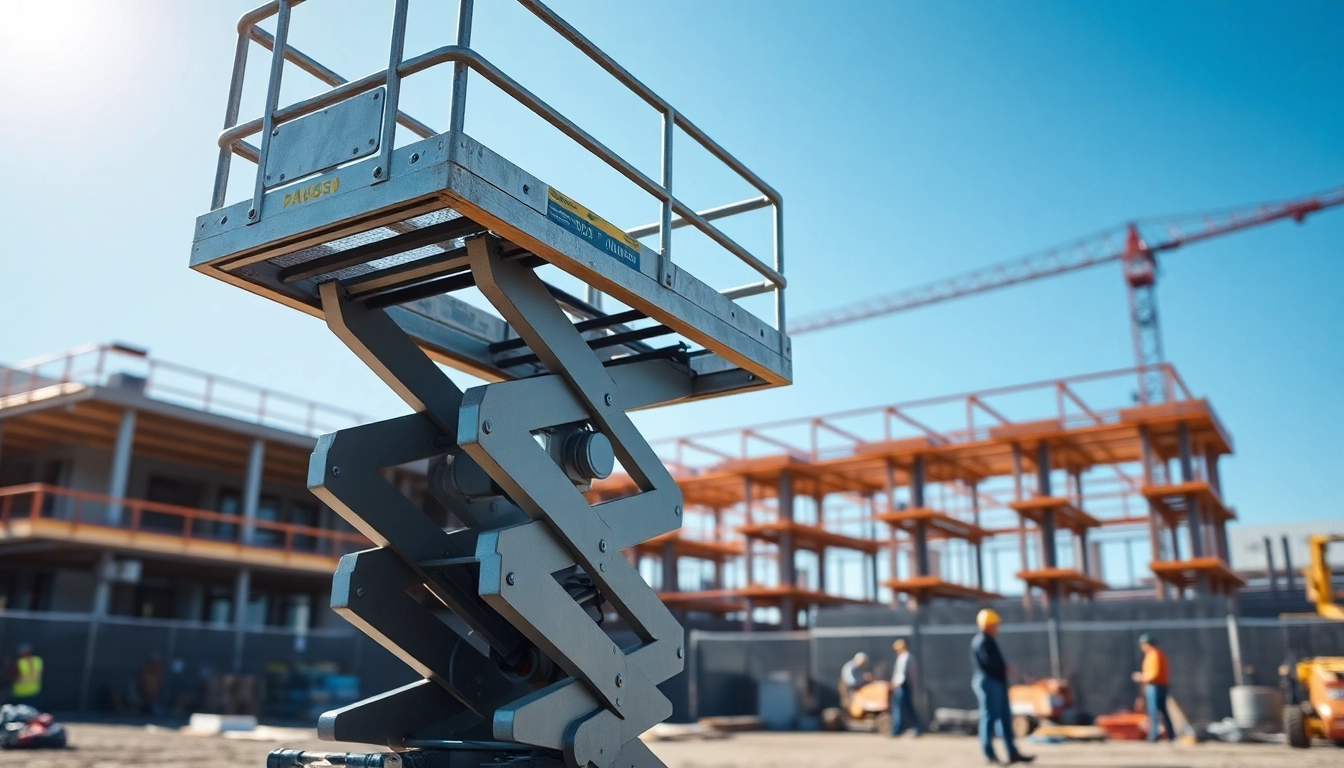
A scissor lift is a type of portable lifting platform used to elevate personnel and equipment to heights that are unsafe or impractical to reach via conventional ladders or scaffolding. Its design features a crisscross mechanism that operates with a series of beams that extend and retract—mimicking the action of a pair of scissors, hence the name. This makes the scissor lift an essential tool in various sectors, including construction, maintenance, and warehousing, where tasks often require significant elevation.
How a Scissor Lift Operates
Scissor lifts operate on a hydraulic or mechanical lifting system. In hydraulic models, fluid pressure causes the articulated beams to extend, facilitating vertical movement. Electric-powered scissor lifts utilize battery power, making them suitable for indoor tasks where emissions could pose a risk. Controls are typically located on a platform at the top, allowing operators to maneuver freely while elevated. Scissor lift technology allows for smooth transitions and stable positioning, key for safety in high-risk work environments.
Different Types of Scissor Lifts
There are several types of scissor lifts tailored for specific tasks and environments:
- Electric Scissor Lifts: These are most suitable for indoor use, capable of navigating tight spaces. They are eco-friendly, producing no emissions.
- Rough Terrain Scissor Lifts: Equipped with larger tires and enhanced stability, these lifts are designed for outdoor operations on uneven surfaces.
- Low-Level Scissor Lifts: Ideal for tasks below 20 feet, these lifts provide easy access to mid-height work areas with a smaller footprint.
- Vertical Mast Lifts: Although they resemble scissor lifts, these are designed for even tighter spaces and typically extend higher than conventional lifts.
- Hybrid Scissor Lifts: Combining gas and electric power, these models provide operational flexibility in varying conditions.
Benefits of Using Scissor Lifts
Enhanced Safety for Workers
One of the primary advantages of scissor lifts is their ability to improve safety for workers operating at heights. Unlike ladders, which can be unstable and present a fall risk, scissor lifts provide secure and stable platforms. They are designed with guardrails, safety bricks, and automatic leveling systems that ensure the lift remains stable on uneven ground. Additionally, many models come equipped with safety features such as emergency stop buttons and hydraulic brakes, which further enhance operational safety.
Increased Work Efficiency
Scissor lifts allow faster access to heights, enabling workers to accomplish tasks more efficiently. Their versatility ranges from moving materials to lifting personnel, optimizing work processes across various industries. By minimizing the time spent transitioning between tasks—from assembly to maintenance—scissor lifts can significantly contribute to project timelines, leading to overall improved productivity.
Versatility in Applications
Scissor lifts are remarkably versatile, suitable for a variety of applications across differing industries. In construction, they can be used for exterior cladding, electrical work, or roofing. In warehouses, they assist in inventory management and quick storage solutions. Additionally, they serve crucial roles in maintenance work within factories, allowing easy access to machinery for repairs or upgrades. Their adaptability ensures they can cater to multiple tasks, making them a worthwhile investment for companies.
Choosing the Right Scissor Lift
Factors to Consider
Choosing the right scissor lift requires careful consideration of several important factors:
- Work Height: Knowing how high you need to reach is critical. Scissor lifts come in various maximum heights, so choose one that meets your specific needs.
- Weight Capacity: Different models can support different maximum loads. Ensure that the lift can accommodate the combined weight of personnel and materials.
- Terrain Type: Consider whether you will be using the lift indoors or outdoors. Electric models are ideal for smooth, indoor surfaces whereas rough terrain lifts are necessary for outdoor work.
- Features: Assess additional features such as platform size, driving controls, and safety mechanisms that may be necessary for your specific operations.
Rental vs. Purchase Decisions
The decision to rent or purchase a scissor lift hinges on several factors, including the frequency of use, budget, and project scope. Renting can offer an economical solution, especially for one-off projects where a lift would not see regular use. Conversely, if the work requires frequent access to heights or involves multiple long-term projects, investing in a scissor lift may provide better value over time. Additionally, owning equipment allows for customization to suit specific operational needs.
Budgeting for Scissor Lift Projects
When budgeting for scissor lift projects, it's essential to account not only for the initial purchase or rental costs but also for ongoing maintenance, operational training, and insurance. Set a budget that accommodates unexpected expenses and includes allowances for additional features or upgrades. Additionally, consulting with a rental service or equipment provider can help clarify costs associated with various models and determine the best fit for your financial constraints.
How to Operate a Scissor Lift Safely
Essential Safety Protocols
Operating a scissor lift safely requires adherence to established protocols. Operators should undergo training to understand the lift's controls, weight limits, and emergency procedures. Before beginning operation, it's crucial to conduct a pre-use inspection, checking for mechanical issues, level ground, and the condition of securing features such as guardrails. Additionally, operators should ensure that the work area is free from obstructions and that all personnel are aware of the lift's operation.
Basic Operating Procedures
Basic operating procedures for a scissor lift include slowly moving the lift to the work site, ensuring the lift is set on stable ground, and controlled ascent/descent. Always use the lift's safety features and follow the manufacturer’s guidelines for lifting and lowering procedures. Maintaining constant communication with ground personnel enhances team coordination and safety during operations.
Common Mistakes to Avoid
Several common mistakes can occur when operating a scissor lift. These include exceeding the weight capacity, neglecting safety checks before use, failing to secure the work area, and disregarding weather conditions, which can affect stability, particularly outdoors. Training and ongoing safety reminders can help mitigate these risks, fostering a culture of safety among operators.
FAQs About Scissor Lifts
What Is the Load Capacity of a Scissor Lift?
The load capacity of a scissor lift typically ranges from 500 to 2,500 pounds, depending on the model. Always check the manufacturer's specifications for exact figures.
Can Scissor Lifts Be Used Indoors?
Yes, many scissor lifts are designed for indoor use, particularly electric models, which produce no emissions and have quieter operations compared to gas-powered models.
How High Can a Scissor Lift Go?
The maximum height of a scissor lift varies, with models available that reach between 15 to 50 feet or more. Choose a model that fits your job requirements.
What Are the Maintenance Requirements?
Regular maintenance for scissor lifts includes battery checks, hydraulic system inspections, and ensuring all safety features are operational. Following the manufacturer's guidelines is crucial.
Are Scissor Lifts Suitable for Uneven Terrain?
Rough terrain scissor lifts are specifically designed to operate on uneven surfaces and can handle slopes, gravel, and other challenging conditions. Standard models may face stability issues in such environments.
Contact Information
Call Us: 4062607988Address: 3906 MT-40, Columbia Falls, MT 59912