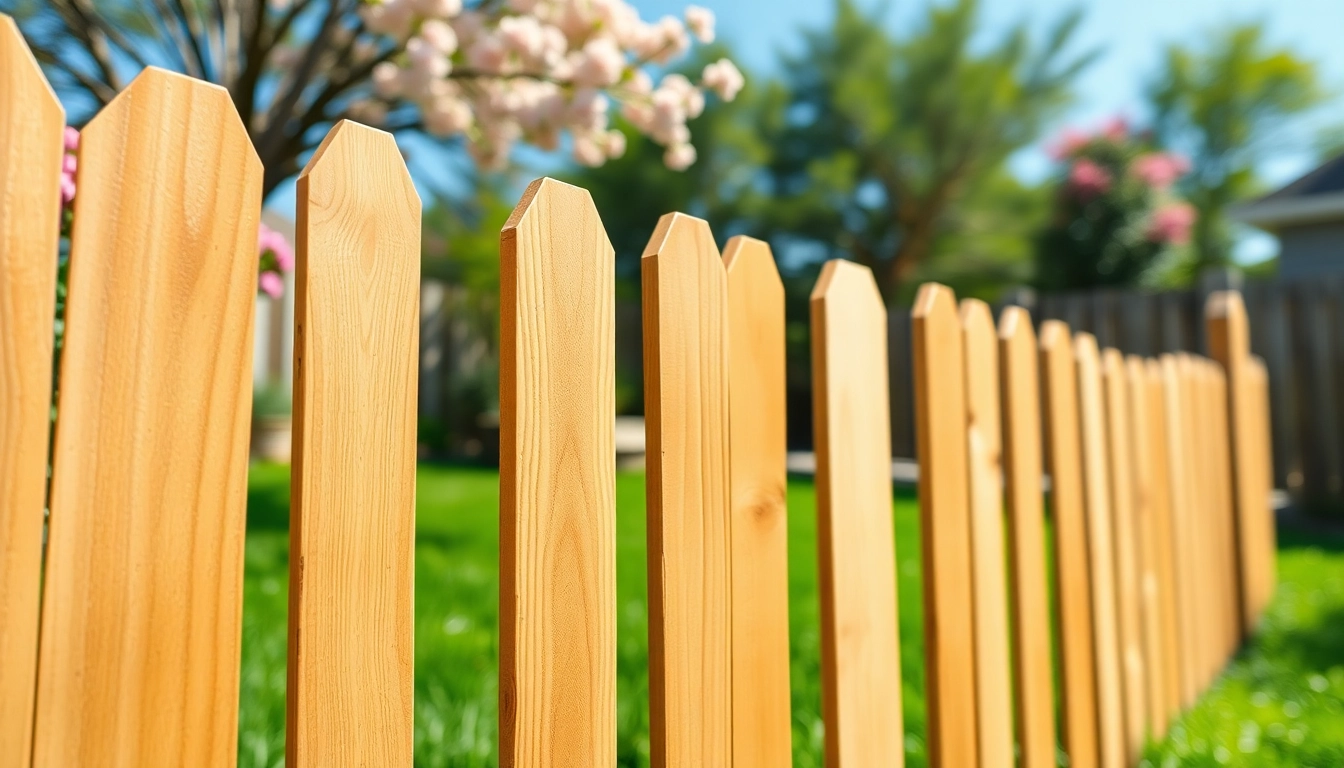
When it comes to maintaining your property, one of the most overlooked areas is the fence. Fence Cleaning is essential not only for aesthetic reasons but also for the longevity and structural integrity of your fencing material. Proper cleaning can prevent decay, rust, and other forms of deterioration, ensuring that your fence looks great and serves its purpose effectively over the years.
Understanding the Importance of Fence Cleaning
The Benefits of Regular Fence Cleaning
Regular cleaning of your fence offers numerous benefits. First and foremost, it enhances the appearance of your property. A clean fence improves curb appeal, making your home look well-maintained and inviting. Secondly, routine cleaning helps to identify any minor issues that might need repairs before they become major problems. For example, mold and mildew can weaken the structure of wooden fences, but regular cleaning allows for early intervention.
Moreover, cleaning prevents the growth of pests that may compromise the integrity of your fencing. Termites, ants, and other unwanted guests are less likely to inhabit a well-maintained fence. Additionally, consistent upkeep can extend the lifespan of your fence significantly, thus saving you money on repairs or replacements in the long run.
Common Fence Materials and Cleaning Needs
Fences can be made from a variety of materials, each requiring distinct cleaning methods and care. Here are a few of the most common types:
- Wood Fences: These require gentle cleaning solutions and avoiding harsh chemicals that could damage the wood.
- Vinyl Fences: Non-abrasive cleaners are ideal, as they can scratch easily. A mixture of soap and water is often sufficient.
- Metal Fences: These are generally more durable but can rust if not properly maintained. A rust-inhibiting cleaner can help.
- Composite Fences: These require less maintenance than wood but still benefit from periodic cleaning with mild soap solutions.
Environmental Impact of Cleaning Products
When choosing cleaning solutions for your fence, it’s crucial to consider their environmental impact. Many commercial cleaners contain harsh chemicals that can be detrimental to your garden, pets, and surrounding wildlife. Opting for biodegradable, eco-friendly products minimize environmental damage while still being effective. Simple solutions such as vinegar and baking soda can sometimes do the trick without the adverse effects associated with harsh chemicals.
Tools and Materials for Effective Fence Cleaning
Essential Tools for Fence Cleaning
Equipping yourself with the right tools is essential for effective fence cleaning. Here are some key items you should have:
- Brushes: Select the right type; stiff-bristled brushes can clean tough spots, while soft-bristled brushes are ideal for delicate surfaces.
- Buckets: For mixing cleaning solutions and rinsing off dirt and grime.
- Hoses: A good garden hose with a spray nozzle allows you to rinse effectively.
- Protective Gear: Gloves, goggles, and masks are essential when handling chemical cleaners.
- Pressure Washer: A highly efficient tool for larger fences, although care must be taken with settings to avoid damage.
Choosing the Right Cleaning Solutions
The choice of cleaning solutions depends largely on the material of your fence and the type of stains you are targeting. For wooden fences, a mixture of vinegar and water can remove mold effectively, while commercial, oxygen-based cleaners work well on vinyl.
For stubborn stains such as mildew or algae, bleach or a diluted non-toxic cleaner can be effective, although it can potentially damage the fencing material if not properly diluted. Always test any cleaner in a small, inconspicuous area before full application.
Homemade Solutions vs. Commercial Products
Homemade cleaning solutions have gained popularity due to their effectiveness and environmental benefits. For instance, a straightforward mix of vinegar, baking soda, and water can act as an excellent natural cleaner. However, there are times when the strength of commercial products is warranted, especially if the fence has not been cleaned in a long time.
Ultimately, the decision between homemade and commercial options will depend on personal preference, budget, and specific cleaning needs.
Step-by-Step Guide to Fence Cleaning
Preparing Your Fence for Cleaning
Preparation is crucial for effective fence cleaning. Start by inspecting the fence for any damage or loose parts that need repair. Remove any obstacles such as plants or garden furniture that might hinder access to the fence. Ensure you have all your tools and cleaning solutions ready to go.
If you're using a pressure washer, ensure the area is clear of any wiring or electrical sources that could pose a risk. Also, check the weather to ensure conditions are suitable for cleaning, avoiding rain or extreme temperatures.
Cleaning Techniques for Different Materials
Each type of material requires unique handling during the cleaning process. Here are some techniques for various materials:
- Wood Fences: Use a mixture of soap and water. Scrub gently to avoid damaging the wood. For tough stains, use diluted bleach or vinegar.
- Vinyl Fences: Apply a soap-water solution with a soft cloth or sponge, scrubbing away any dirt or stains.
- Metal Fences: Clean with a rust-inhibiting solution. If rust has formed, a wire brush might be necessary to scrape it off.
- Composite Fences: Use a gentle soap solution; abrasive materials can ruin the composite surface.
Post-Cleaning Maintenance Tips
After cleaning, consider applying a protective sealant on wooden fences to prevent moisture damage and prolong lifespan. For metal fences, consider repainting to protect against rust. Regularly checking the fence’s condition will allow you to spot any potential issues before they escalate. Setting a reminder for semi-annual cleanings will help maintain both aesthetics and durability.
Understanding Costs and Considerations
Estimating the Cost of Professional Fence Cleaning
Hiring professionals for fence cleaning can vary in cost, dependent on the size of the fence, level of dirtiness, and the material. Typically, costs can range from $0.50 to $1.50 per linear foot, which translates to an average total of $100-$500 for most residential fences. Factors such as accessibility and any necessary repairs can also influence the final price.
DIY vs. Hiring a Professional: A Cost Analysis
While hiring professionals might seem more expensive upfront, it can be cost-effective in the long run. Professionals usually provide quality results and may catch underlying issues you might miss. However, if you're willing to invest your time and effort into a DIY project, significant savings can be achieved, especially if you have the necessary tools and know-how.
Long-term Savings from Regular Maintenance
Regular maintenance can dramatically extend the life of your fence, which translates into significant savings over time. By investing in routine cleaning and maintenance, you can prevent costly repairs and replacements, keeping your property looking great without breaking the bank.
Frequently Asked Questions about Fence Cleaning
How often should I clean my fence?
It's advisable to clean your fence at least once a year to preserve its appearance and functionality. Depending on environmental factors, more frequent cleaning may be necessary.
What is the best method for cleaning a wooden fence?
Using a mix of mild detergent with warm water and applying it with a scrub brush usually works effectively without damaging the wood.
Are there environmentally friendly options for fence cleaning?
Yes, natural cleaners like vinegar and baking soda provide effective cleaning solutions without the harmful effects associated with many commercial products.
Can I clean my fence with a pressure washer?
A pressure washer can be effective for cleaning, but it’s crucial to adjust the water pressure settings to avoid damaging the fence material, especially wood.
What should I do after cleaning my fence?
After cleaning, it’s beneficial to seal or stain wooden fences to protect them from future weather damage and prolong their life.