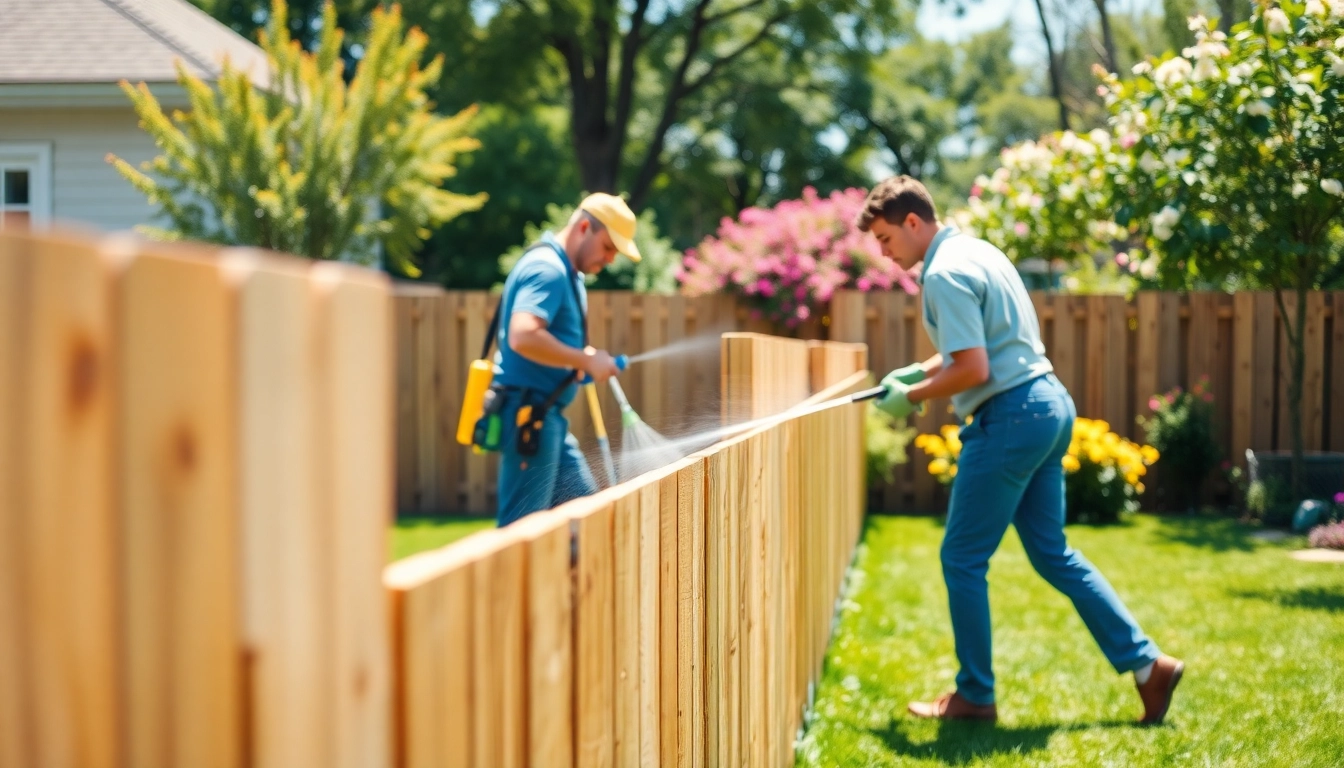
Understanding the Importance of Fence Cleaning
Keeping your fence clean is often overlooked but is essential for maintaining the aesthetics and longevity of your property. Fence Cleaning not only enhances curb appeal but also prevents damage from environmental factors such as mildew, mold, and dirt buildup.
Benefits of Regular Fence Cleaning
There are several advantages to maintaining a clean fence which include:
- Preservation of Materials: Regular cleaning removes contaminants that can deteriorate your fence material, whether it’s wood, vinyl, or metal.
- Aesthetic Appeal: A clean fence gives your home a polished and well-maintained look, enhancing overall curb appeal.
- Extending Lifespan: Preventing buildup of grime and organic materials can extend the life of your fence.
- Health Benefits: Removing mildew and mold can reduce allergens in your yard, benefiting everyone’s health.
Signs Your Fence Needs Cleaning
Recognizing when your fence requires cleaning is crucial for timely maintenance. Look out for:
- Visible stains or discoloration.
- Green or black spots indicating mold or mildew.
- Accumulation of dirt, dust, or pollen.
- An overall dull appearance compared to neighboring properties.
Choosing the Right Time for Cleaning
Timing your fence cleaning can enhance the effectiveness of your efforts:
- Spring is ideal for removing winter grime.
- Fall helps prepare the fence for winter conditions.
- Avoid cleaning in direct sunlight which can dry cleaning agents too quickly.
Essential Tools and Supplies for Fence Cleaning
Equip yourself with the right tools and supplies to get the best results in your cleaning endeavors. Here’s what you’ll typically need:
Best Cleaning Solutions for Wooden Fences
Wooden fences require special care to avoid damage:
- Bleach Solutions: A diluted bleach solution can help combat mold and algae.
- Commercial Cleaners: Products designed specifically for wood fences can be very effective.
- Homemade Solutions: Vinegar mixed with water can serve as an eco-friendly option.
Tools Needed for Effective Fence Cleaning
Gather the following tools:
- Soft Brush: To scrub away dirt without damaging the surface.
- Garden Hose or Pressure Washer: For rinsing off cleaning solutions efficiently.
- Protective Gear: Gloves and goggles to safeguard against chemical splashes.
DIY vs. Professional Fence Cleaning Equipment
While DIY cleaning can be effective, professional cleaning services come equipped with industrial-strength tools and cleaners. Decide based on the age and condition of your fence:
- For fences in good condition, DIY with the right materials may suffice.
- For older or heavily soiled fences, investing in professionals might yield better results.
Step-by-Step Guide to Fence Cleaning
Follow this comprehensive guide to ensure your fence cleaning is efficient and effective:
Preparing Your Fence for Cleaning
Before you start, ensure:
- Clear the area around the fence to avoid any debris.
- Check for any repairs needed before cleaning to avoid harming your fence.
- Test any cleaning solution on a small, inconspicuous area to ensure compatibility.
Techniques for Effective Fence Cleaning
Implement these techniques for optimal effectiveness:
- Pre-soak: Use a hose to soak the fence, loosening dirt.
- Scrubbing: Apply your chosen cleaning solution and scrub in sections.
- Rinsing: Use a pressure washer or hose to thoroughly rinse away cleaning products.
Post-Cleaning Care for Your Fence
After cleaning, consider:
- Applying a wood preservative or sealant to protect against the elements.
- Regularly inspecting for signs of wear to plan future maintenance.
- Repainting or staining to keep aesthetics in check.
Environmental Considerations in Fence Cleaning
It’s important to consider the environmental impact of your cleaning methods:
Eco-Friendly Cleaning Products
Opt for natural cleaning solutions whenever possible. Vinegar and baking soda can provide effective results without harming the environment.
Water Conservation Techniques
To save water, try:
- Using a bucket instead of a hose for initial soaking.
- Rinsing with a fine nozzle to avoid wastage.
- Scheduling cleanings during cooler months to minimize evaporation losses.
Impact on Local Wildlife and Plants
Be mindful of any cleaners that may runoff and affect local flora and fauna. Always reduce chemical usage and clean up spills promptly.
Frequently Asked Questions about Fence Cleaning
How much does it cost to get your fence cleaned?
Costs can range from $30 to $800, depending on the size of the fence and cleaning method used.
Can I clean my fence without using a pressure washer?
Yes, you can clean your fence using a brush and bucket with a homemade solution or commercial cleaners.
How often should I clean my fence?
For most fences, annual cleanings are adequate, but more frequent cleaning may be needed in humid climates.
What is the best cleaner for a wooden fence?
The best cleaners are those that are specifically formulated for wood, often featuring bleach or natural acids like vinegar.
How long does the cleaning process take?
Depending on the fence size and condition, the cleaning process can take anywhere from 1 to 4 hours.