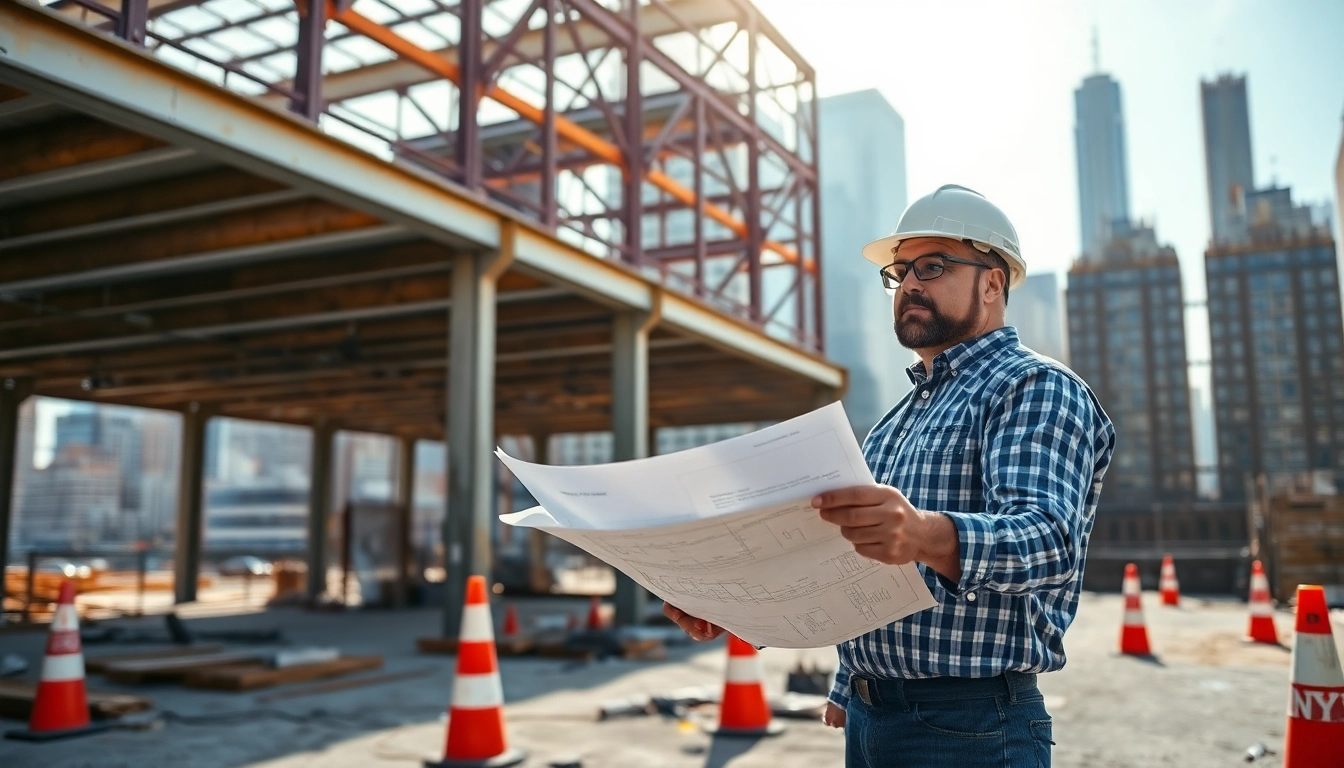
Understanding the Role of a New York City Commercial General Contractor
In the bustling arena of New York City, where skyscrapers touch the clouds and a myriad of businesses thrive, the role of a New York City Commercial General Contractor is pivotal to turning architectural visions into reality. These experts navigate the complexities of commercial construction, ensuring that projects not only meet design specifications but also adhere to local regulations and industry standards. But what exactly does a commercial general contractor do, and how do they contribute to the economic fabric of the city?
Key Responsibilities
Commercial general contractors in New York City are entrusted with a multitude of responsibilities that encompass the entire lifecycle of a construction project. Their primary duties include:
- Project Management: Oversees all aspects of a construction project, from initial planning through execution and final inspection.
- Budgeting and Financial Management: Develops cost estimates, secures financing, and manages project budgets to ensure financial viability.
- Team Coordination: Collaborates with architects, engineers, subcontractors, and vendors to ensure timely project delivery.
- Compliance and Permits: Handles all necessary permits and ensures compliance with local building codes and regulations.
- Quality Control: Monitors construction processes to adhere to quality standards and project specifications.
Licensing and Certification Requirements
To operate as a general contractor in New York City, several licensing and certification requirements must be met. In general, contractors need to obtain a Home Improvement Contractor License or a General Contractor License, depending on the scope of work. This process typically involves:
- Submitting an application to the NYC Department of Consumer Affairs.
- Providing proof of insurance and bonding.
- Educational training, experience in construction management or building trades may be highly beneficial.
Additionally, certifications from industry organizations can enhance a contractor's credibility and demonstrate a commitment to best practices.
Economic Impact in NYC
The construction industry is a vital component of New York City's economy. It generates jobs, stimulates growth, and revitalizes communities. Recent studies indicate that construction contributes significantly to the local GDP, creating numerous employment opportunities across a variety of sectors. General contractors play a key role in this ecosystem by:
- Job Creation: Every completed project requires a skilled workforce, from laborers and foremen to project managers and consultants.
- Stimulating Local Businesses: Contractors often collaborate with local suppliers and service providers, keeping money circulating within the community.
- Urban Development: Contractors are instrumental in developing new structures that can transform neighborhoods, improve housing options, and enhance infrastructure.
Choosing the Right New York City Commercial General Contractor
With numerous options available, choosing the right commercial general contractor in New York City requires careful consideration. It is essential to assess various factors to make an informed decision.
Assessing Experience and Expertise
When evaluating potential contractors, consider their experience and track record in commercial construction. Key aspects to examine include:
- Years in Business: Look for contractors with a solid history in the industry, as enduring firms are usually well-equipped to handle challenges.
- Specialization: Ensure that the contractor has experience in the specific type of commercial project you require, such as retail, office buildings, or hospitality venues.
- Portfolio of Completed Projects: Review their past work to gauge quality and style compatibility with your vision.
Evaluating Past Projects
Successful projects speak volumes about a contractor's competency. Requesting and reviewing case studies from previous clients can provide valuable insights into their capabilities. Consider the following:
- Project Profiles: Seek detailed descriptions that showcase the challenges faced and solutions implemented during past projects.
- Timely Delivery: Assess the contractor's ability to deliver projects on time and within budget through client testimonials and project timelines.
- Innovation: Determine if the contractor implements innovative techniques or sustainable practices in their construction processes.
Understanding Client Testimonials
Client feedback is an invaluable resource when selecting a commercial general contractor. Reviews and testimonials can reveal a lot about a contractor's reliability, quality of work, and responsiveness. Tips include:
- Seek Diverse Opinions: Look for testimonials from various projects to get a well-rounded view of the contractor’s strengths and weaknesses.
- Contact References: Speaking directly with former clients can help clarify experiences and provide context for written testimonials.
- Online Reputation: Research online ratings and feedback on platforms like Yelp or Construction Reviews to gauge overall satisfaction levels.
Best Practices for Effective Project Management
Effective project management ensures that construction projects run smoothly, remain on schedule, and meet established standards. Here are best practices that every contractor should implement:
Communication and Collaboration Techniques
Successful projects rely heavily on clear communication among all stakeholders. To enhance collaboration, contractors should:
- Establish Clear Lines of Communication: Use specified channels for updates, feedback, and concerns to avoid misunderstandings.
- Implement Project Management Tools: Employ digital platforms that facilitate real-time collaboration and information sharing.
- Regular Status Meetings: Schedule consistent check-ins with the team to discuss progress, setbacks, and next steps.
Risk Management Strategies
Risk management is crucial in mitigating potential disruptions during construction projects. Effective strategies include:
- Conducting Thorough Risk Assessments: Regularly analyze project risks and develop contingency plans tailored to specific scenarios.
- Insurance Coverage: Ensure comprehensive insurance policies to protect against unforeseen incidents that could jeopardize financial stability.
- Quality Assurance Protocols: Implement procedures that prioritize high-quality work and compliance with safety standards to minimize liability.
Budgeting and Financing Insights
Proper financial planning can significantly impact a project's success. Contractors can optimize budgets with these insights:
- Create Detailed Cost Estimates: Itemize costs for materials, labor, permits, and other expenses early in the project.
- Monitor Expenses: Track actual expenditures against the budget to identify potential overruns and address them promptly.
- Seek Diverse Financing Options: Explore different funding avenues, including loans, grants, or partnerships, to best cover project costs.
Trends Shaping the Future of Commercial Construction in NYC
The commercial construction landscape in New York City is evolving, shaped by emerging trends that reflect changing societal demands and technological advancements. Key trends to consider include:
Sustainability Initiatives
As the importance of sustainability grows, contractors are increasingly focusing on green building practices. These initiatives may involve:
- Utilizing eco-friendly materials and construction methods.
- Implementing energy-efficient systems and designs to reduce the carbon footprint.
- Seeking certifications like LEED (Leadership in Energy and Environmental Design) to demonstrate commitment to sustainability.
Technology Integration in Construction
Technological advancements are revolutionizing the commercial construction industry, providing tools that enhance efficiency and project outcomes. Some notable technologies include:
- Building Information Modeling (BIM): This technology allows for detailed 3D modeling and visualization, improving collaboration and reducing errors.
- Drones and Aerial Imaging: Drones are increasingly used for site surveys and inspections, providing accurate data and enhancing project monitoring.
- Construction Management Software: Project management platforms streamline communication, scheduling, and resource allocation.
Urban Development Challenges
Urban development in New York City presents unique challenges, particularly regarding space constraints and regulatory environments. General contractors must navigate:
- Zoning Regulations: Understanding and adhering to local zoning laws is critical for project viability.
- Community Engagement: Engaging with local communities to address concerns can foster goodwill and smooth project execution.
- Infrastructure Limitations: Being aware of existing infrastructure and its capacities can help contractors plan effectively for utility needs and logistics.
FAQs about New York City Commercial General Contractor Services
What services do general contractors provide?
General contractors manage construction projects, including planning, budgeting, coordinating subcontractors, obtaining permits, and ensuring compliance with regulations.
How do I select a reputable contractor?
Assess contractors based on experience, client testimonials, past project portfolios, and qualifications to ensure they meet your specific needs.
What are typical project timelines?
Project timelines vary based on complexity, size, and scope. Typically, commercial projects can range from a few months to several years to complete.
How are costs determined?
Costs are influenced by factors such as project scope, materials, labor, overhead, and market conditions. Detailed estimates can help clarify expected expenses.
What permits are needed for construction?
Permits vary by project type and location. Common permits include construction, electrical, plumbing, and zoning permits required by local regulations.