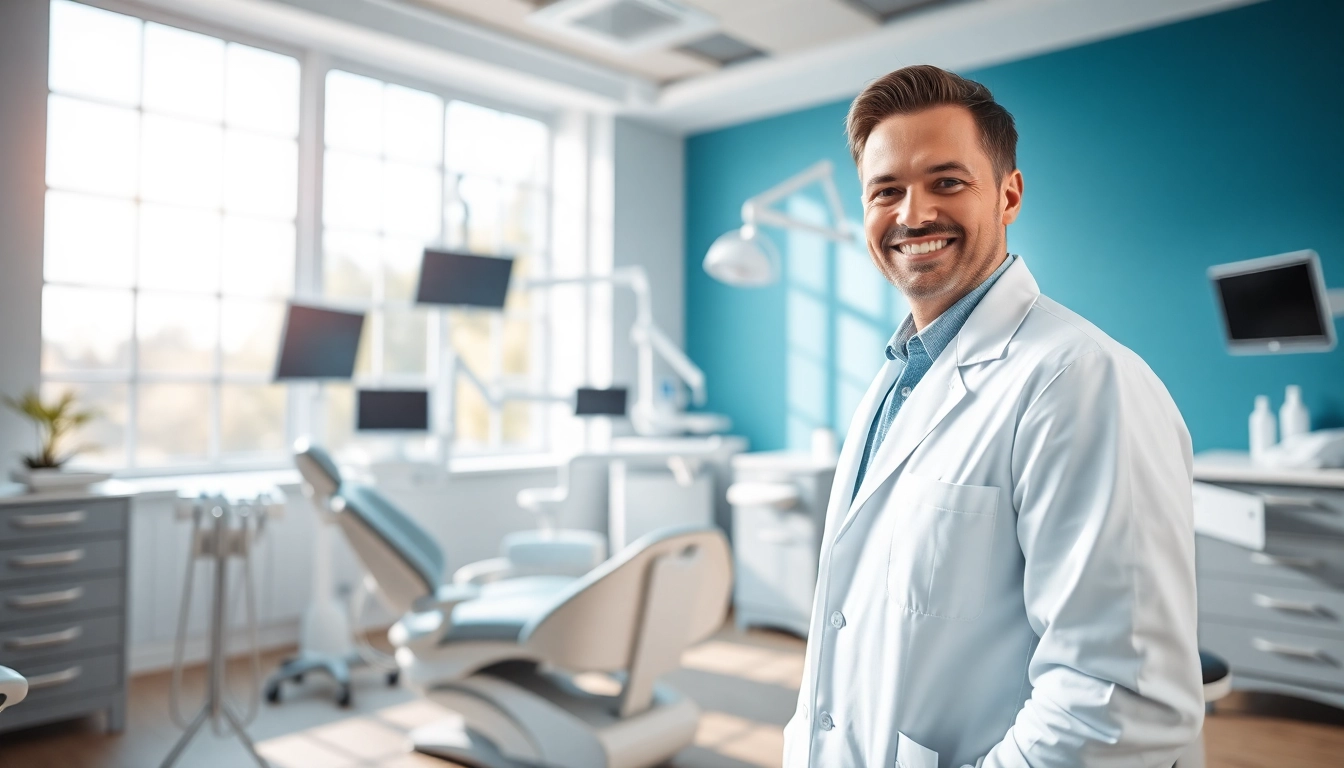
Understanding Dental Offices
When it comes to maintaining optimal oral health, understanding the role and functioning of a dental office is fundamental. These establishments serve as the primary source for dental care, encompassing a wide range of services aimed at preserving and enhancing dental hygiene. Each dental office is designed to cater to the unique needs of its patients, involving a combination of regular health assessments, preventive care, and specialized treatment options.
What Defines a Dental Office?
A dental office is typically defined as a health care facility dedicated to the diagnosis, treatment, and prevention of dental issues. It is staffed by qualified professionals, including dentists, dental hygienists, and dental assistants, who work collaboratively to provide comprehensive care. The environment is typically equipped with specialized tools and technologies, creating a space where various dental services are rendered—from routine cleanings to complex surgical procedures.
Importance of Regular Visits
Regular visits to a dental office are instrumental in maintaining oral health. The American Dental Association recommends seeing a dentist at least twice a year. These visits ensure early detection of potential issues, such as cavities or gum disease, allowing for timely intervention. Moreover, professional cleanings remove plaque buildup that patients might not eliminate through regular brushing and flossing alone, thus significantly reducing the risk of more serious dental problems.
Key Services Offered in a Dental Office
Most dental offices provide a range of services tailored to patient needs. These include preventive care like dental cleanings and examinations, restorative treatments such as fillings and crowns, and cosmetic procedures including whitening and veneers. Moreover, many offices offer orthodontic services to correct misaligned teeth and jaws, as well as oral surgery for more complex issues. The diversity of services ensures that all patient needs can be addressed within a single location.
Common Treatments Available in a Dental Office
Cavity Treatment and Prevention
Cavities are among the most common dental issues patients face. A dental office provides cavity treatment through restorative methods such as fillings. Dentists use materials like composite resin, gold, or amalgam to fill the hollowed-out areas of a tooth affected by decay. Preventive measures such as fluoride treatments and dental sealants can significantly reduce the likelihood of cavities, especially in children.
Cosmetic Dentistry Services
Cosmetic dentistry has gained popularity as more patients seek to improve their smile aesthetics. Services include teeth whitening, bonding, and porcelain veneers, which can correct discoloration, chips, and gaps between teeth. A dental office often tailors these services to match individual preferences and needs, resulting in a personalized approach to enhancing a patient's smile.
Specialized Treatments: Periodontics and Orthodontics
In addition to general dentistry, many offices offer specialized treatments. Periodontics focuses on the prevention and treatment of gum disease, utilizing techniques such as scaling and root planing. Orthodontic services, often delivered by specialists, focus on realigning teeth and jaws to improve both functionality and appearance. These specialized treatments underscore the comprehensive nature of care available at a dental office.
Choosing the Right Dental Office for Your Needs
Factors to Consider When Selecting a Dental Office
Choosing a dental office can significantly impact your oral health journey. Consider factors such as the qualifications of the dental professionals, the range of services offered, and the technological advancements available in the office. It’s also essential to evaluate the office’s approach to patient care—whether it feels personalized and responsive to your needs.
Reviews and Reputation: What to Look For
Before selecting a dental office, researching reviews and testimonials can be incredibly beneficial. Look for insights about the quality of care, professionalism of staff, and overall patient satisfaction. Office reputation can often be assessed through online platforms, where patients share their experiences, influencing prospective patients’ decisions.
Location and Accessibility Considerations
Location is another critical factor when choosing a dental office. An easily accessible office can make all the difference in keeping up with regular appointments. Additionally, consider the office hours and availability of emergency care. An office that offers flexibility in scheduling can greatly enhance patient satisfaction and compliance.
Building a Relationship with Your Dental Office
Initial Consultation: What to Expect
Your first visit to a dental office often includes a thorough examination of your oral health along with any necessary x-rays. Dentists will review your medical history, discuss any concerns you have, and devise a personalized treatment plan. It’s an excellent opportunity to ask questions and establish rapport with your dental care provider.
Communicating Your Dental Concerns
Open communication with your dental office is key to ensuring your oral health needs are met. Don’t hesitate to express your concerns, whether they relate to pain, aesthetic preferences, or financial constraints. A good dentist will listen and work with you to find the best solutions tailored to your circumstances.
The Importance of Follow-Up Visits
Follow-up visits are crucial for monitoring progress after treatment. These appointments allow your dental team to check on healing, assess the effectiveness of treatments, and make any necessary adjustments. Building a routine of follow-up care strengthens the relationship with your dental office and significantly contributes to maintaining long-term oral health.
Conclusion: Ensuring Longevity in Dental Health
Integrating Good Oral Hygiene Practices
While visiting a dental office is important, integrating good oral hygiene practices into your daily routine is vital. This includes regular brushing and flossing, a healthy diet, and avoiding harmful habits like smoking. These practices, when combined with professional care, foster optimal oral health and reduce the risk of future problems.
Understanding Treatment Plans and Financial Options
A clear understanding of treatment plans is essential for compliance and satisfaction. Discuss financial options with your dental office, including payment plans and insurance coverage, if applicable. Transparency in costs and available options helps manage expectations and fosters trust in the care you receive.
Frequently Asked Questions About Dental Offices
1. How often should I visit a dental office?
It’s advisable to visit a dental office at least twice a year for regular check-ups and cleanings.
2. What should I do if I have dental anxiety?
Communicate with your dentist; they may offer sedation options to help you feel more comfortable during appointments.
3. Are cosmetic dental procedures covered by insurance?
Most cosmetic procedures are considered elective and may not be covered by insurance. Check with your provider for specifics.
4. What are the common signs of gum disease?
Common signs include red or swollen gums, bleeding during brushing, bad breath, and loose teeth. Consult your dental office if you notice these symptoms.
5. Can children visit any dental office?
Children should visit a pediatric dentist or a family dental office equipped to handle their specific dental needs.