Introduction to Soft Foam Building Blocks
Soft foam building blocks have become a staple in the realm of children's toys, capturing the imagination of young builders everywhere. Constructed from lightweight, pliable materials, these blocks provide an excellent alternative to traditional wooden or plastic bricks. If you're looking for a comprehensive guide, read more here for extensive insights and options.
What Are Soft Foam Building Blocks?
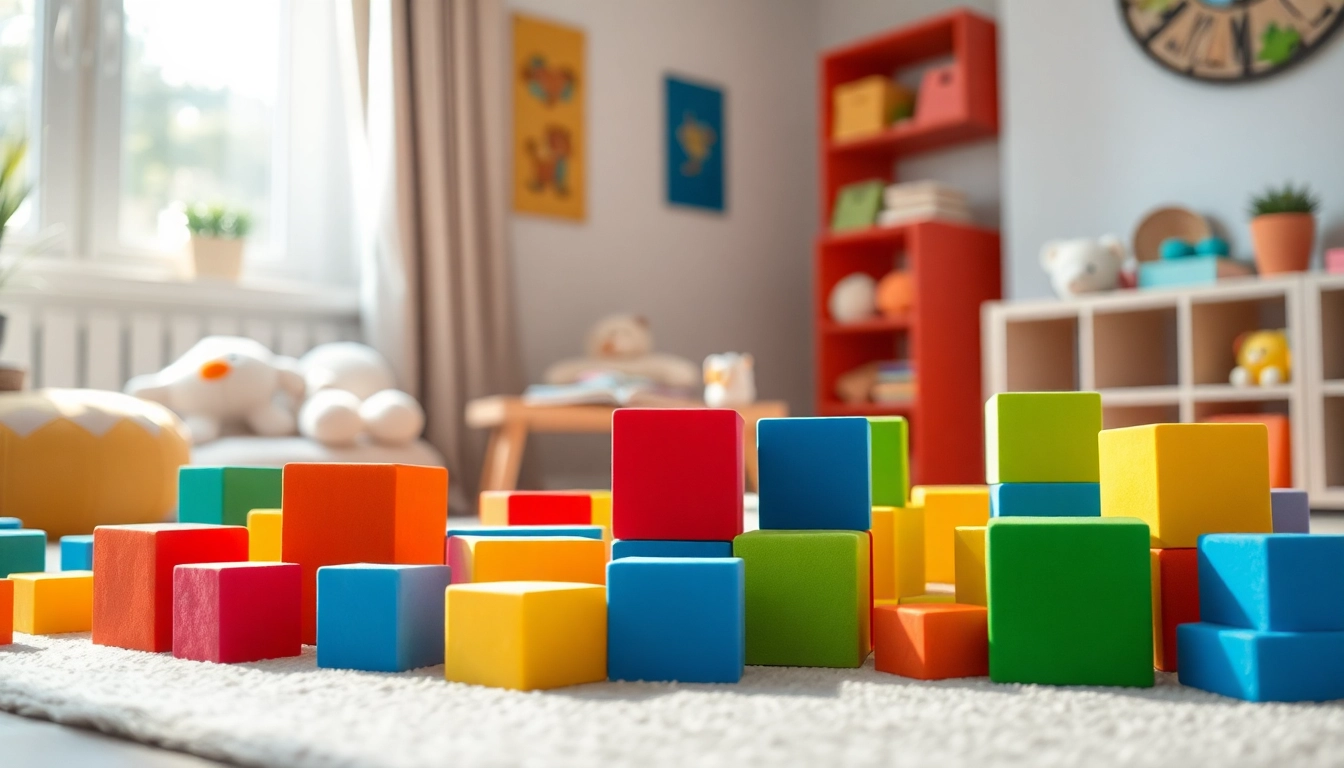
Soft foam building blocks are versatile play materials designed for young children. Made from safe, durable foam, these blocks come in various shapes, sizes, and colors, encouraging freeform creativity during playtime. Unlike traditional building materials, these blocks are easy to grasp, stack, and manipulate, making them perfect for toddlers and preschoolers. Their soft texture minimizes risks of injuries during play.
Benefits of Soft Foam for Kids
The benefits of soft foam building blocks extend beyond mere enjoyment. Here are some of the key advantages:
- Safety: The soft nature of foam reduces the risk of injury, allowing children to toss, drop, and bump the blocks without the fear of hurting themselves.
- Weight: These blocks are lightweight, making them easy for children to handle as they build and create.
- Durability: High-quality foam is resilient, capable of withstanding rough play while maintaining its shape.
- Versatility: Kids can use the blocks for various imaginative scenarios, from constructing castles to building bridges.
Choosing the Right Blocks for Your Child
When selecting soft foam building blocks, several key factors should be considered:
- Age Appropriateness: Ensure the blocks are suitable for the child's age group, promoting safe and effective play.
- Block Variety: Opt for sets with various shapes and sizes to inspire creativity.
- Material Quality: Check for non-toxic and hypoallergenic materials to ensure safety during play.
- Ease of Cleaning: Soft foam blocks should be easy to clean, especially for young children who may put toys in their mouths.
Play Ideas and Activities
Encouraging Creativity Through Building
Soft foam building blocks serve as a launchpad for creativity. Encourage children to create their structures, whether a towering skyscraper or a cozy cottage. To enhance creativity:
- Incorporate themes: Create themed challenges where children build structures related to specific topics such as animals, vehicles, or famous landmarks.
- Story-based building: Encourage kids to build scenes from their favorite stories, which stimulates both imaginative play and storytelling.
- Collaborative projects: Organize group activities where children can collaborate to build larger structures, thereby cultivating teamwork skills.
Group Play Activities with Building Blocks
Group play activities are an excellent way to maximize the fun and benefits of soft foam building blocks. Here are a few ideas:
- Building Competitions: Children can engage in friendly competitions to create the tallest structure or the most imaginative design.
- Team Challenges: Divide children into teams and assign them to construct a specific design within a time limit.
- Obstacle Courses: Use the blocks to create obstacle courses, stimulating physical activity while providing challenges to overcome.
Incorporating Other Toys for Enhanced Play
To make play more engaging, consider integrating soft foam blocks with other toys:
- Action Figures and Dolls: Kids can create environments for their figures or dolls, enriching pretend play.
- Toy Vehicles: Combine blocks with cars and trucks, creating roads and traffic systems that can be expanded upon.
- Puzzles: Incorporate soft foam blocks into puzzle activities where kids can find pieces that fit or create specific shapes.
Safety Considerations
Child Safety Standards for Foam Toys
Before purchasing soft foam building blocks, it’s essential to understand child safety standards. Look for products that meet or exceed relevant safety regulations, ensuring they are free from harmful chemicals and designed for safe play. Always check for certifications like ASTM or EN71, which signify compliance with safety testing.
Choosing Non-Toxic Materials
When selecting soft foam building blocks, prioritize toys made from non-toxic materials, such as BPA-free foam or natural rubber. Non-toxic toys minimize exposure to harmful substances and are safer for younger children who may chew on their toys.
Supervision During Playtime
Even with safety features, supervision during playtime is crucial. Parents and caregivers should monitor play to ensure rules are followed, mitigate risks of rough play, and encourage safe interaction, especially during cooperative activities.
Educational Benefits
Developing Fine Motor Skills
Manipulating soft foam building blocks is an excellent way for children to develop fine motor skills. As they grasp and stack blocks, they build hand-eye coordination and dexterity, both crucial for tasks like writing and buttoning clothes as they grow older.
Understanding Spatial Awareness
Building with foam blocks enhances children’s spatial awareness. As they experiment with different block placements, they gain an understanding of dimensions, balance, and how different shapes interact within space. This skill is foundational for later learning in subjects like geometry.
Fostering Early Math and Problem-Solving Skills
Soft foam blocks can serve as an engaging introduction to early math concepts through play. Counting blocks, assessing their weight for balance, and figuring out how to achieve stability involve problem-solving skills that lay the groundwork for future mathematical understanding.
Frequently Asked Questions
How should I clean soft foam building blocks?
Cleaning soft foam blocks is straightforward. Wipe them down with a damp cloth and mild soap. Air dry them completely before storing to maintain their integrity.
What age is appropriate for soft foam blocks?
Soft foam building blocks are suitable for children aged 1 and above. Always check the manufacturer's recommendations for specific age guidelines based on block size and complexity.
Can soft foam blocks be used outdoors?
While soft foam blocks can be used outdoors, ensure they are kept dry to prevent deterioration. Also, supervise play to maintain safety, especially in open environments.
Are soft foam blocks safe for toddlers?
Yes, soft foam blocks are considered safe for toddlers due to their lightweight and soft surfaces. Always choose blocks labeled as safe for the designated age group.
How do soft foam blocks support developmental play?
Soft foam blocks support developmental play by enhancing creativity, fine motor skills, and problem-solving abilities. They offer a safe environment for exploration and learning through hands-on experiences.