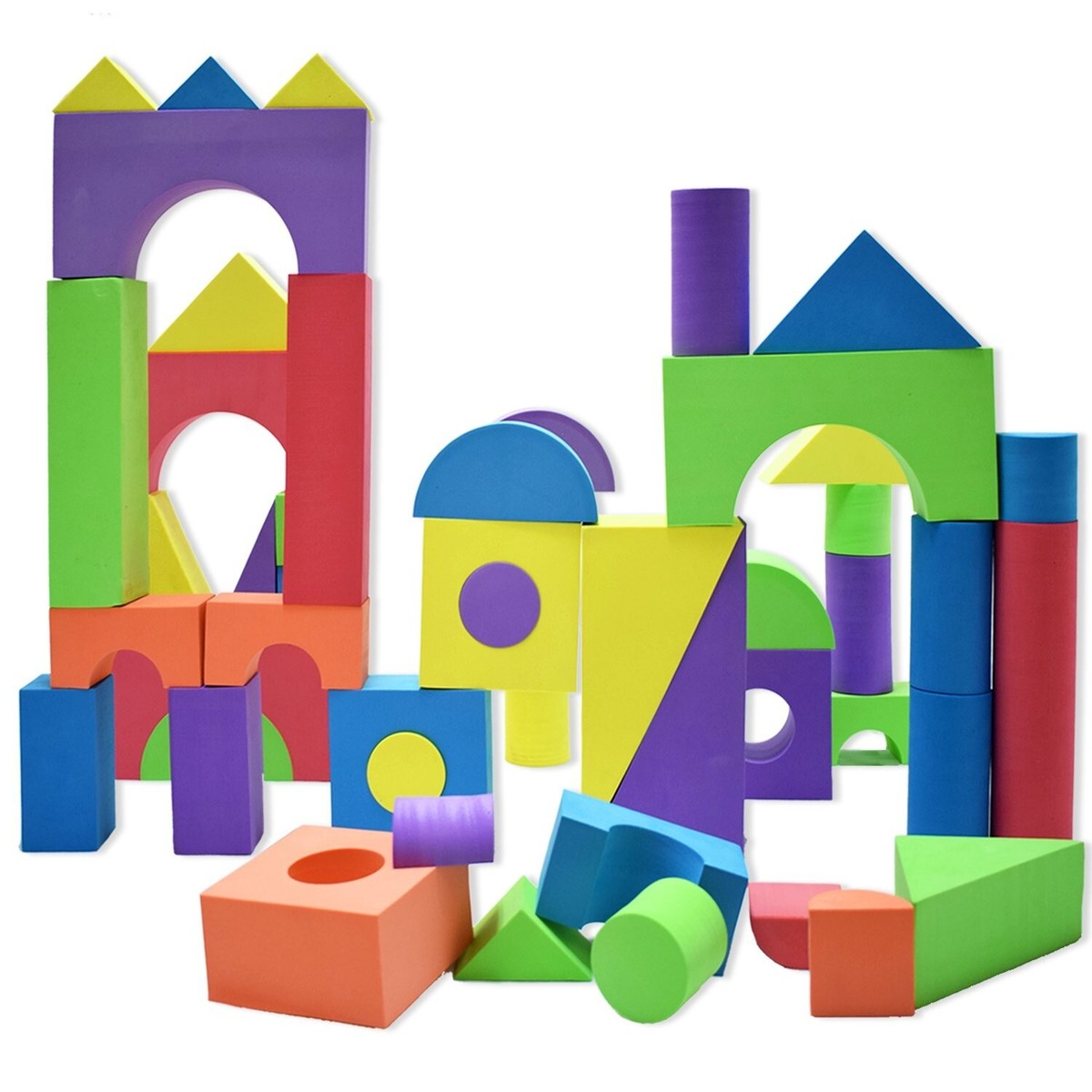
Introduction to Giant Foam Building Blocks
In an age where creativity meets play, giant foam building blocks stand out as a remarkable tool for kids to engage, learn, and explore. These versatile toys not only inspire imaginative construction but also help children develop essential life skills. If you're looking for innovative ways to elevate your child's playtime, find out more about the wonders these soft blocks can bring into your home environment.
What Are Giant Foam Blocks?
Giant foam building blocks are oversized, lightweight, durable cubes made from high-density foam, designed specifically for children. They come in various shapes, colors, and sizes, prompting creativity and problem-solving skills. Unlike traditional building blocks, these foam versions are child-friendly and soft, reducing the risk of injury during play. They can be stacked, knocked down, or rearranged, allowing for endless combinations and creative structures while ensuring safety during every imaginative play session.
Benefits of Foam Building Blocks for Kids
Foam building blocks offer numerous advantages for children's development. Here are some key benefits:
- Enhancing Motor Skills: Manipulating foam blocks helps improve fine and gross motor skills as children grasp, stack, and balance these lightweight pieces.
- Stimulating Creativity: The open-ended nature of the blocks encourages imaginative thinking, allowing children to design and build whatever comes to mind.
- Fostering Social Interaction: When children build together, they learn to communicate, share ideas, and cooperate, enhancing their social skills.
- Boosting Cognitive Development: Problem-solving and critical thinking are nurtured as kids figure out how to create stable structures or solve building challenges.
- Creating a Safe Environment: The soft material minimizes the risk of injury, making foam blocks especially suitable for toddlers and active young children.
Different Types of Foam Building Sets
Foam building sets come in a variety of forms to cater to different age groups and preferences:
- Standard Sets: Typically include a range of shapes and colors, promoting free play and exploration.
- Thematic Sets: Often designed with specific ideas in mind, such as castles, animals, or vehicles, to inspire themed play scenarios.
- Interlocking Sets: These blocks have design features that allow them to connect or fit together in unique ways, enhancing structural creativity.
- Giant Sets: Extra-large blocks designed for group play, perfect for classrooms, playrooms, or outdoor adventures.
Setting Up a Safe Indoor Play Area
Choosing the Right Space
Selecting an appropriate area for foam block play involves considering adequate space that encourages exploration. Ideally, it should be a room with ample floor space, such as a living room, basement, or playroom. Avoid confined spaces or areas cluttered with fragile items to reduce risks and encourage free play.
Safety Considerations for Play
While foam blocks are designed for safety, some considerations can enhance the play environment:
- Supervision: Always supervise children while they play, especially younger children, to ensure they are using the blocks safely.
- Clear Obstacles: Remove any sharp or hard objects within the play area that could pose a hazard during play.
- Age Appropriateness: Ensure foam blocks are suitable for the child’s age to prevent risks of choking or misuse.
- Comfortable Surface: Place a soft mat or carpet underneath to cushion falls and enhance comfort during play.
How to Organize the Play Space
How you organize the foam block play area can significantly impact its effectiveness:
- Designate Zones: Create separate zones for different activities, such as building, resting, and social engagement.
- Accessible Storage: Use bins or shelves to store foam blocks so children can independently access them, promoting a sense of ownership.
- Flexible Layout: Encourage mobility by organizing blocks in a way that children can easily rearrange them to suit their building needs.
- Visual Appeal: Use colorful and diverse block arrangements to stimulate visual interest and engagement.
Engaging Activities Using Foam Blocks
Building Challenges to Spark Creativity
Boost children's creativity with building challenges that inspire unique structures. Examples include:
- Timed Challenges: Set a timer for kids to build anything within a time limit, fostering quick thinking and creativity.
- Theme-Based Challenges: Encourage kids to construct a structure based on specific themes, such as “a bridge” or “an animal habitat”.
- Collaboration Challenges: Prompt multiple children to work together on a single structure, enhancing teamwork and communication skills.
Incorporating Learning into Play
Foam blocks can be a powerful educational tool:
- Mathematical Concepts: Use blocks to teach counting, addition, and subtraction through stacking and combining.
- Spatial Awareness: Building with foam blocks helps children understand concepts like balance, symmetry, and gravity.
- Language Development: Encourage storytelling through their constructions, enhancing vocabulary and narrative skills.
Group Activities for Social Skills
Building with blocks is an excellent opportunity for children to practice social skills:
- Cooperative Building: Encourage children to construct something together while communicating their ideas and negotiating roles.
- Show and Tell: After building, have children describe what they created to their peers, improving presentation skills.
- Team Games: Organize activities like ‘block relay races’ where kids work in teams to transport blocks from one location to another.
Maintenance and Care for Foam Blocks
Cleaning and Sanitizing Foam Blocks
To ensure hygiene and a longer lifespan for foam blocks, regular cleaning is essential:
- Cleaning Method: Wipe surfaces with a damp cloth and a mild soap solution; avoid soaking the blocks.
- Sanitizing: After cleaning, use a child-safe disinfectant spray to sanitize the blocks and ensure safety.
- Frequency: Clean blocks regularly, especially after they have been used by multiple children.
Storage Solutions for Foam Building Sets
Proper storage helps in maintaining the integrity of foam blocks and keeps play areas organized:
- Use Bins: Use labeled bins or containers to store and separate different sets of blocks for easy access.
- Stackable Options: Consider stackable bins or shelves to utilize vertical space in storage areas.
- Regularly Declutter: Periodically review the blocks for wear and tear to keep the collection manageable.
When to Replace Your Foam Blocks
Recognizing when it’s time to replace foam blocks is vital for safety and play quality:
- Visible Damage: If blocks show signs of wear, such as tears or significant dents, it's time to consider replacements.
- Hygiene Concerns: After extensive use, if thorough cleaning doesn’t restore them, replacing may be necessary.
- Safety Standards: Always verify that the blocks meet current safety standards for the age group using them.
Frequently Asked Questions
Can foam blocks be used outdoors?
While designed for indoor use, foam blocks can be used outdoors. However, they should be kept dry and protected from excessive sun exposure to maintain their integrity.
What ages are foam building blocks suitable for?
Foam building blocks are typically suitable for children ages 1 and up. Parents should consider the size and shape of blocks to ensure they are appropriate for their child's age.
How do I clean foam blocks effectively?
Clean foam blocks by wiping them with a damp cloth and mild soap. For disinfection, use a child-safe disinfectant spray to sanitize the surface.
Are foam blocks safe for toddlers?
Yes, foam blocks are designed to be soft and lightweight, making them a safe play option for toddlers with proper supervision.
Do foam building blocks come in different sizes?
Absolutely! Foam building blocks come in various sizes and shapes, catering to different age groups and encouraging diverse building experiences.