Introduction to Above-Ground Storage Tank Design
Above-ground storage tanks (ASTs) play a crucial role in various industries, particularly in the storage of liquid products such as fuels, chemicals, and water. The design of these tanks is essential for ensuring safety, compliance, and functionality. As regulations tighten and industry standards evolve, the importance of a comprehensive understanding of Above-Ground Storage Tank Design has never been greater. This article will delve into the key aspects of AST design, covering benefits, regulatory compliance, design considerations, installation and maintenance best practices, and future trends.
What is an Above-Ground Storage Tank?
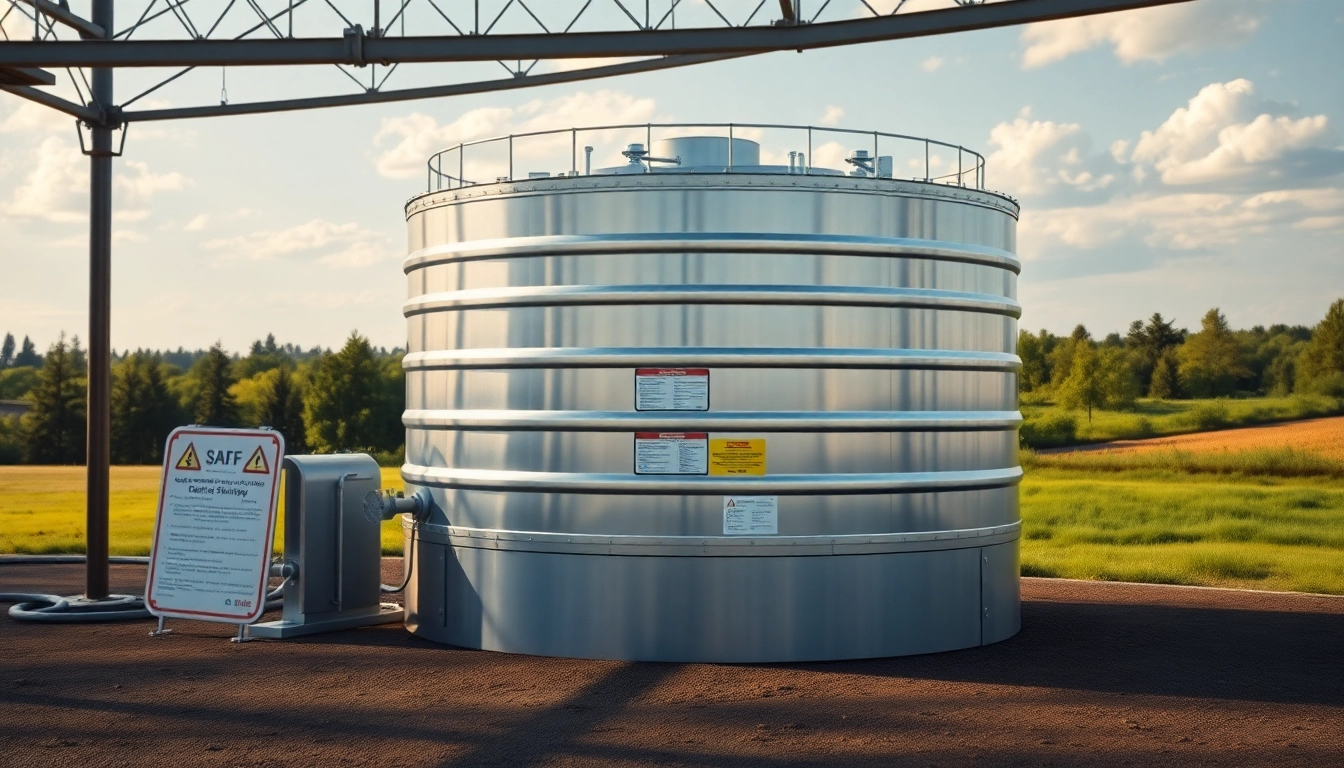
An above-ground storage tank is a container designed to hold liquids and gases that are stored above the ground. These tanks can be manufactured from various materials, including steel, fiberglass, and polyethylene, and they come in different shapes and sizes to meet specific storage needs. ASTs are utilized in various sectors, such as petroleum, chemical, pharmaceutical, and water treatment industries, serving both commercial and industrial applications.
Key Benefits of Above-Ground Storage Tanks
ASTs offer several significant benefits compared to their underground counterparts:
- Easy Accessibility: Above-ground tanks are more accessible for inspection, maintenance, and monitoring. This accessibility allows for quicker response times during emergencies.
- Visibility: The visible nature of ASTs makes them easier to monitor for leaks and spills, thus enhancing safety protocols.
- Versatile Use: ASTs can be used for a wide variety of liquids, including hazardous materials, which proves essential for diverse industries.
- Cost-Effective Installation: Typically, AST installation is less expensive than underground systems due to reduced excavation and preparation requirements.
- Regulatory Compliance: Tank regulations for above-ground systems are often easier to manage and comply with, providing streamlined operations.
Types of Above-Ground Storage Tanks
There are several types of ASTs available, each designed for specific applications:
- Fixed Roof Tanks: These tanks feature a permanent roof structure, ideal for storing liquids that have low volatility.
- Floating Roof Tanks: Designed with a roof that floats on the liquid surface, these tanks minimize vapor emissions, making them suitable for volatile liquids.
- Double-Wall Tanks: These tanks consist of two layers of material, providing an additional safety net against leaks or spills.
- Custom Tanks: Tailored to specific needs, including specialized coatings or materials to handle unique environments or compounds.
Regulatory Compliance for Above-Ground Storage Tank Design
Understanding EPA Regulations
The Environmental Protection Agency (EPA) has established regulations governing above-ground storage tanks under the Spill Prevention, Control, and Countermeasure (SPCC) rule. Key requirements include proper tank design, inspection protocols, maintenance schedules, and spill response plans. Facilities that store significant quantities of oil or hazardous substances must adhere to these regulations to prevent environmental damage and ensure operational safety.
State-Specific Guidelines and Requirements
In addition to federal regulations, various states have their specific AST guidelines that may impose stricter regulations than the EPA. For example, some states require additional secondary containment systems, while others mandate more frequent inspections or specific construction standards. It's crucial for facility managers to familiarize themselves with local regulations to avoid legal repercussions and environmental hazards.
Safety Standards for Construction and Maintenance
ASTs must adhere to several safety standards during their construction and ongoing maintenance. Standards set by organizations such as the American Petroleum Institute (API) and the National Fire Protection Association (NFPA) cover everything from materials used to the design of secondary containment systems. Regular training and certification for personnel involved in routine inspections and maintenance are also critical to uphold safety and compliance.
Design Considerations for Above-Ground Storage Tanks
Site Selection and Environmental Factors
Choosing the correct site for an above-ground storage tank is crucial. Key factors include:
- Proximity to Expansive Areas: Ensure there's sufficient clearance around the tank for emergency access, response, and maintenance.
- Environmental Sensitivity: Avoid installing tanks near waterways, wetlands, or sensitive ecosystems to mitigate the risk of environmental damage from spills.
- Soil Stability: Conduct geological surveys to ensure that the ground can support the weight and structure of the tank effectively.
Material Selection and Durability
The choice of materials for constructing an AST is paramount. Common materials include:
- Steel: Widely used due to its strength and durability but often requires protective coatings to prevent corrosion.
- Fiberglass: Resistant to corrosion and chemical damage, making it suitable for a variety of liquids.
- Polyethylene: Lightweight and resistant to many chemicals; however, it may not be suitable for high-temperature applications.
Durability is also a key consideration, influenced by environmental conditions and the chemical nature of the stored substance. Regular inspections and proactive maintenance help extend the lifespan of the tanks.
Tank Capacity and Sizing Guidelines
When designing an above-ground storage tank, determining the appropriate size and capacity is essential. Here are key factors to consider:
- Usage Demand: Estimate the maximum capacity needed based on the volume of liquids stored and consumption rates.
- Regulatory Compliance: Ensure the tank size meets local and federal regulations regarding substantial storage limits.
- Operational Flexibility: Consider future demands and growth potential, allowing for additional capacity without significant restructuring.
Installation and Maintenance Best Practices
Step-by-Step Installation Process
The installation of an AST requires careful planning and execution. Key steps include:
- Conduct a site analysis to assess environmental risks and soil stability.
- Obtain necessary permits and ensure compliance with local regulations.
- Prepare the site by grading and clearing it for proper installation.
- Assemble and install the tank according to build specifications and standards.
- Implement secondary containment measures as required.
- Conduct thorough inspections and testing before putting the tank into operation.
Regular Maintenance Protocols
Routine maintenance is essential to extend the tank's lifespan and ensure safety. Recommended protocols include:
- Visual Inspections: Conduct frequent visual checks for signs of corrosion, leaks, and structural issues.
- Routine Cleanings: Schedule regular cleaning to prevent sludge build-up and contamination.
- Testing and Calibration: Regularly test gauges and monitoring devices to ensure they are functioning accurately.
Identifying and Responding to Tank Issues
Proactively identifying potential issues in above-ground storage tanks can prevent catastrophic failures. Common problems include:
- Leaks: Immediate response protocols should be established, including spill containment measures and communication with emergency services.
- Corrosion: Monitor for signs of material degradation and replace or repair affected areas as needed.
- Structural Integrity: Incorporate inspection standards to routinely assess the tank's condition and ensure compliance with safety standards.
Future Trends in Above-Ground Storage Tank Design
The Role of Technology in Tank Monitoring
The integration of technology is reshaping how above-ground storage tanks are monitored and managed. Advanced sensors, automated monitoring systems, and IoT devices allow for real-time tracking of tank conditions, liquid levels, and potential leaks, leading to enhanced safety and reduced operational costs.
Sustainable Practices in Tank Design
As environmental awareness grows, the design of ASTs is shifting towards sustainability. Implementing eco-friendly materials, and energy-efficient systems and considering the carbon footprint during manufacturing and operation are becoming priorities. Additionally, many companies are adopting practices for proper waste disposal and tank recycling at the end of their service lives.
Innovations on the Horizon for Storage Solutions
Innovation continues to drive advances in storage technology. Future developments may include:
- Smart Tanks: Utilizing AI to enhance predictive maintenance and automate operational monitoring.
- Composite Materials: Advancements in materials science may lead to new composites that offer greater strength and corrosion resistance.
- Flexible Designs: Tanks that can adapt their shapes and sizes based on the content or environment will offer increased versatility.
Frequently Asked Questions
What materials are used in above-ground storage tank design?
Above-ground storage tanks are commonly made from materials like steel, fiberglass, and polyethylene, chosen for their durability and resistance to environmental factors.
What are the typical dimensions of above-ground storage tanks?
Dimensions vary based on capacity, with common sizes ranging from 500 to 100,000 gallons, tailored to specific storage needs and site conditions.
How often should above-ground storage tanks be inspected?
Regular inspections should occur at least once a year, with more frequent checks recommended for tanks storing hazardous materials to ensure safety and compliance.
Are above-ground storage tanks subject to environmental regulations?
Yes, they are regulated by the EPA for potential emissions and spill prevention under the Spill Prevention, Control, and Countermeasure (SPCC) regulation.
What safety measures should be implemented in above-ground storage tank design?
Safety measures include proper signage, containment systems, regular inspections, and adherence to fire safety regulations to reduce risks of spills or leaks.