Understanding Above-Ground Storage Tank Design
Above-ground storage tanks (ASTs) play a crucial role in the storage of various liquids, including oil, chemicals, and water. Their design is essential not only for operational efficiency but also for ensuring safety and regulatory compliance. This comprehensive guide delves into the Above-Ground Storage Tank Design standards, types, and core functions that govern AST functionality.
The Importance of Design Standards
Design standards for above-ground storage tanks are pivotal for mitigating risks associated with spills, leaks, and structural failures. Regulatory bodies like the Environmental Protection Agency (EPA) provide guidelines that require facilities to adhere to specifications regarding the tank’s material, construction methods, and location. Following these standards not only ensures safety but also protects the environment from potential hazards. Moreover, adherence to standards, such as API 650, directly contributes to the longevity and reliability of storage systems.
Types of Above-Ground Storage Tanks
There are various types of above-ground storage tanks designed to meet specific requirements:
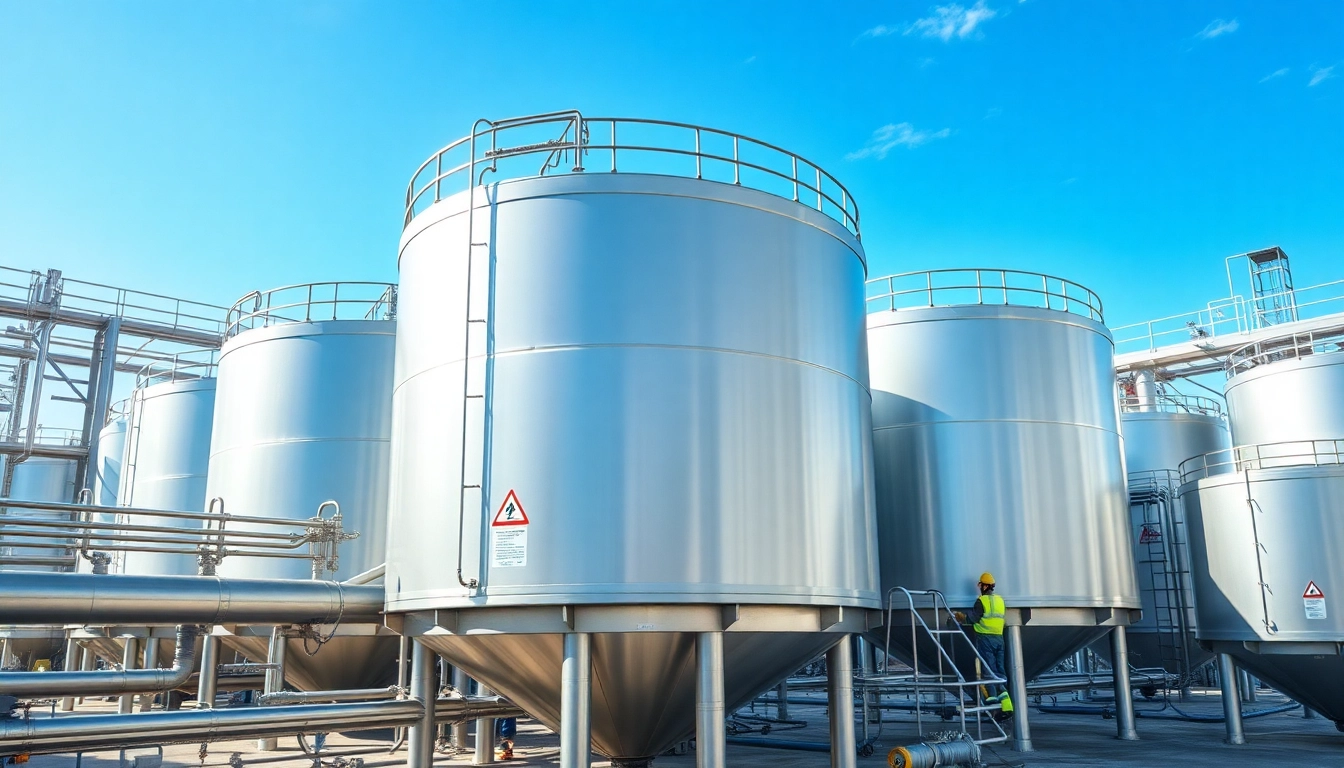
- Vertical Tanks: Commonly used for storing fuels and other liquids, vertical tanks offer efficient use of space and can be designed with a wider base for stability.
- Horizontal Tanks: These tanks are typically used when vertical space is limited, supporting large volumes of liquid while maintaining easy access for maintenance and inspection.
- Double-Walled Tanks: Designed to prevent leaks, these tanks have an outer wall to contain leaks from the inner tank.
- Modular Tanks: Ideal for sites where flexibility is necessary, these tanks can be expanded or resized based on operational needs.
Basic Components and Functionality
Above-ground storage tanks consist of several key components responsible for their functionality:
- Tank Body: Constructed from materials like steel or fiberglass, the tank body is the primary structure that holds the contents.
- Manway/Openings: These allow for maintenance and inspection access to the tank's interior and include fitting for vents and gauges.
- Overfill Protection Systems: These mechanisms prevent tank overfilling, thereby minimizing spill risks.
- Piping and Valves: Designed to transfer liquids in and out of the tank safely, these components must be properly maintained to prevent leaks.
- Secondary Containment: This could be a basin or dike that surrounds the tank, designed to catch any potential leaks or spills.
Key Considerations in Above-Ground Storage Tank Design
Material Selection for Durability
The choice of material for above-ground storage tanks is primarily dictated by the type of liquid being stored and environmental conditions. Common materials include:
- Steel: Often used for its strength and durability, steel tanks require protective coatings to prevent corrosion.
- Fiberglass: Resistant to many chemicals and corrosion, fiberglass tanks are ideal for storing harsh substances.
- Polyethylene: Lightweight and resistant to chemical damage, these tanks are suitable for storing fresh water and non-flammable liquids.
Selecting the right material not only prolongs the life of the tank but also enhances safety by reducing the likelihood of leaks and structural failures.
Regulatory Compliance and Safety
Compliance with regulations established by the EPA and other regulatory agencies is critical. This often includes:
- SPCC Requirements: Facilities with above-ground storage tanks must develop Spill Prevention, Control, and Countermeasure (SPCC) plans to prevent and contain spills.
- Regular Inspections: Conducting periodic inspections is crucial for identifying wear and tear that could compromise tank integrity.
- Emergency Response Plans: Facilities should have protocols in place to respond to potential spills or leaks efficiently.
Environmental Impact and Management
Evaluating the environmental impact of above-ground storage tanks is integral to their design. Proper management practices such as utilizing secondary containment systems minimize possible environmental harm. Additionally, sustainable practices like using rainwater for cleaning tanks can significantly reduce resource consumption.
Best Practices for Above-Ground Storage Tank Design
Optimal Sizing and Capacity Planning
Understanding the intended use of the tank is essential for optimal sizing. Factors to consider include:
- Future Needs: Consider potential increases in demand that could require larger capacity tanks in the future.
- Site Constraints: Evaluate the physical space available for tank installation to determine the appropriate size.
- Safety Margins: Ensure that the selected tank capacity includes safety margins to prevent overfilling during peak usage.
Efficient Layout and Accessibility
The layout of above-ground storage tanks must prioritize accessibility for maintenance and emergency situations. Key considerations include:
- Clear Access: Ensure that there’s adequate space around the tanks for personnel and equipment to maneuver freely.
- Visual Monitoring: Design the layout so that tanks can be easily inspected visually, allowing for prompt detection of issues.
Preventative Maintenance Strategies
Implementing a proactive maintenance plan is essential for the longevity of above-ground storage tanks. Recommended strategies include:
- Regular Inspections: Schedule inspections based on manufacturer guidelines and regulatory requirements.
- Routine Cleaning: Keep the tanks clean to prevent corrosion and potential contamination of stored materials.
- Monitoring Systems: Utilize advanced monitoring technologies to detect leaks or tank integrity issues early.
Innovative Technologies in Above-Ground Storage Tank Design
Advanced Monitoring and Control Systems
Integrating technology into tank operations enhances safety and efficiency. Contemporary monitoring systems include:
- Leak Detection Sensors: These sensors can provide real-time notifications of any leaks, allowing for prompt action.
- Level Gauges: Electronic gauges provide accurate readings of liquid levels within tanks, enabling better inventory management.
Integration of Sustainable Practices
As environmental awareness grows, so does the importance of sustainable practices within AST design. Trending practices involve:
- Solar Power Integration: Utilizing solar panels for powering monitoring equipment can reduce operational costs.
- Recycled Materials: Using recycled steel or composites in tank construction can minimize environmental footprints.
Future Trends in Tank Design
Future advancements in above-ground storage tank design are likely to focus on:
- Smart Technologies: The Internet of Things (IoT) will enable enhanced monitoring systems, allowing real-time data analysis and predictive maintenance.
- Enhanced Materials: Research into advanced materials that can withstand more extreme conditions may lead to longer-lasting tanks.
FAQs About Above-Ground Storage Tank Design
What materials are best for above-ground tanks?
Common materials include steel for durability, fiberglass for chemical resistance, and polyethylene for lightweight storage of non-flammable liquids.
How often should above-ground tanks be inspected?
Regular inspections are recommended every 1-3 years, depending on local regulations and the specific type and contents of the tank.
What are the common risks associated with above-ground tanks?
Common risks include leaks, spills, and structural failures, potentially leading to environmental contamination and safety hazards.
Are above-ground tanks subject to regulations?
Yes, they must comply with EPA and local regulations, including safety measures and environmental protection protocols.
How can I increase the lifespan of an above-ground storage tank?
Regular maintenance, proper installation, and high-quality materials significantly increase the lifespan of storage tanks.